• Home
  • Latest
  • Fortune 500
  • Finance
  • Tech
  • Leadership
  • Lifestyle
  • Rankings
  • Multimedia

Trendingnow

1

China's export shock is pushing the global economy to a breaking point, and the U.S. may have to clean up the mess, former trade official says

2

Kevin O'Leary says if you earn $68,000 a year and follow this rule, you'll retire a millionaire

3

This billionaire founder made his first million at 27—years before Warren Buffett. His advice to Gen Z: Don’t ask for a raise, ask for equity

1

China's export shock is pushing the global economy to a breaking point, and the U.S. may have to clean up the mess, former trade official says

2

Kevin O'Leary says if you earn $68,000 a year and follow this rule, you'll retire a millionaire

3

This billionaire founder made his first million at 27—years before Warren Buffett. His advice to Gen Z: Don’t ask for a raise, ask for equity
TechCybersecurity

FBI Has Lead in Probe of 1.2 Billion Stolen Web Credentials

By
Reuters
Reuters
Down Arrow Button Icon
By
Reuters
Reuters
Down Arrow Button Icon
November 25, 2015, 1:14 PM ET
James Comey
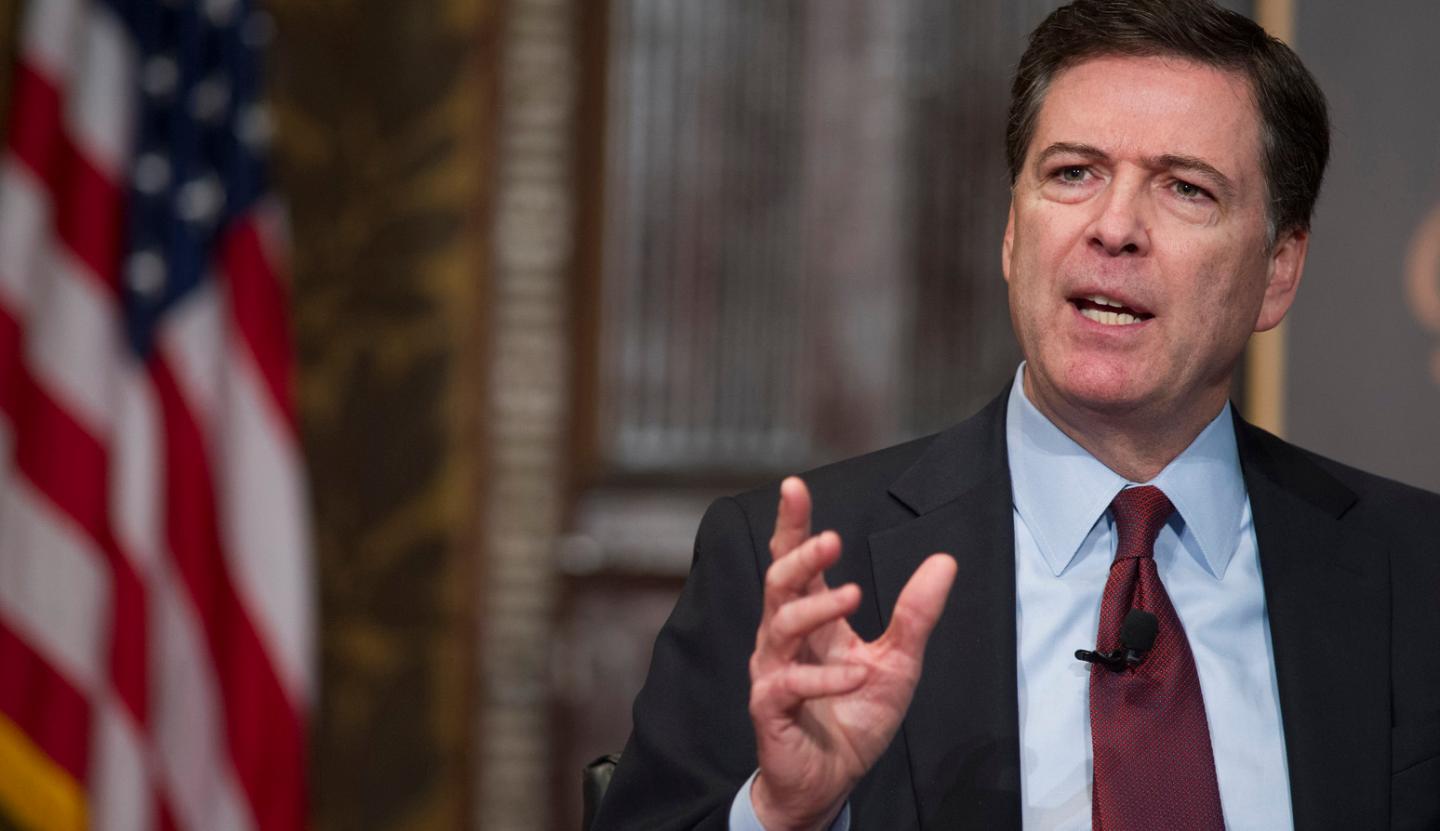
FILE - In this Feb. 12, 2015 file photo, FBI Director James Comey speaks at Georgetown University in Washington. The Justice Department is at odds with Google and privacy groups over the government’s push to make it easier to locate and hack into computers in criminal investigations. (AP Photo/Cliff Owen, File)Photograph by Cliff Owen — AP
Google source logo
Add Fortune on Google for similar content.

A hacker who once advertised having access to user account information for websites like Facebook and Twitter has been linked through a Russian email address to the theft of a record 1.2 billion Internet credentials, the FBI said in court documents.

That hacker, known as “mr.grey,” was identified based on data from a cybsecurity firm that announced in August 2014 that it had determined an alleged Russian crime ring was responsible for stealing information from more than 420,000 websites, the documents said.

The papers, made public last week by a federal court in Milwaukee, Wisconsin, provide a window into the Federal Bureau of Investigation’s probe of what would amount to the largest collection of stolen user names and passwords.

The court papers were filed in support of a search warrant the FBI sought in December 2014 and that was executed a month later related to email records.

The FBI investigation was prompted by last year’s announcement by Milwaukee-based cybersecurity firm Hold Security that it obtained information that a Russian hacker group it dubbed CyberVor had stolen the 1.2 billion credentials and more than 500 million email addresses.

The FBI subsequently found lists of domain names and utilities that investigators believe were used to send spam, the documents said.

The FBI also discovered an email address registered in 2010 contained in the spam utilities for a “mistergrey,” documents show.

A search of Russian hacking forums by the FBI found posts by a “mr.grey,” who in November 2011 wrote that if anyone wanted account information for users of Facebook, Twitter and Russian-based social network VK, he could locate the records.

Alex Holden, Hold Security’s chief information security officer, told Reuters this message indicated mr.grey likely operated or had access to a database that amassed stolen data from computers via malware and viruses.

Facebook and Twitter declined comment. The FBI declined to comment, and U.S. Justice Department had no immediate comment.

The probe appears to be distinct from another investigation linked to Hold Security’s reported discovery that 420,000 websites, including one for a JPMorgan Chase & Co corporate event, were targeted by the Russian hackers.

In a case spilling out of the discovery of the JPMorgan breach, U.S. prosecutors this month charged three men with engaging in a cyber-criminal enterprise that stole personal information from more than 100 million people.

Prosecutors accused two Israelis, Gery Shalon and Ziv Orenstein, and one American, Joshua Samuel Aaron, of being involved in a variety of schemes fueled by hacking JPMorgan and 11 other companies.

An indictment in Atlanta federal court against Shalon and Aaron names as a defendant an unidentified hacker believed to be in Russia.

About the Author
By Reuters
See full bioRight Arrow Button Icon
Google source logo
Add Fortune on Google for similar content.

Latest in Tech


Most Popular

Fortune Secondary Logo
Rankings
  • 100 Best Companies
  • Fortune 500
  • Global 500
  • Fortune 500 Europe
  • Most Powerful Women
  • World's Most Admired Companies
  • See All Rankings
  • Lists Calendar
Sections
  • Finance
  • Fortune Crypto
  • Features
  • Leadership
  • Health
  • Commentary
  • Success
  • Retail
  • Mpw
  • Tech
  • Lifestyle
  • CEO Initiative
  • Asia
  • Politics
  • Conferences
  • Europe
  • Newsletters
  • Personal Finance
  • Environment
  • Magazine
  • Education
Customer Support
  • Frequently Asked Questions
  • Customer Service Portal
  • Privacy Policy
  • Terms Of Use
  • Single Issues For Purchase
  • International Print
Commercial Services
  • Advertising
  • Fortune Brand Studio
  • Fortune Analytics
  • Fortune Conferences
  • Business Development
  • Group Subscriptions
About Us
  • About Us
  • Press Center
  • Work At Fortune
  • Terms And Conditions
  • Site Map
  • About Us
  • Press Center
  • Work At Fortune
  • Terms And Conditions
  • Site Map
  • Facebook icon
  • Twitter icon
  • LinkedIn icon
  • Instagram icon
  • TikTok icon
  • YouTube icon

    Latest in Tech


    Most Popular

    © 2026 Fortune Media IP Limited. All Rights Reserved. Use of this site constitutes acceptance of our Terms of Use and Privacy Policy | CA Notice at Collection and Privacy Notice | Do Not Sell/Share My Personal Information
    FORTUNE is a trademark of Fortune Media IP Limited, registered in the U.S. and other countries. FORTUNE may receive compensation for some links to products and services on this website. Offers may be subject to change without notice.