• Home
  • Latest
  • Fortune 500
  • Finance
  • Tech
  • Leadership
  • Lifestyle
  • Rankings
  • Multimedia
TechSolyndra

Why the Solyndra mistake is still important to remember

By
Katie Fehrenbacher
Katie Fehrenbacher
Down Arrow Button Icon
By
Katie Fehrenbacher
Katie Fehrenbacher
Down Arrow Button Icon
August 27, 2015, 10:01 AM ET
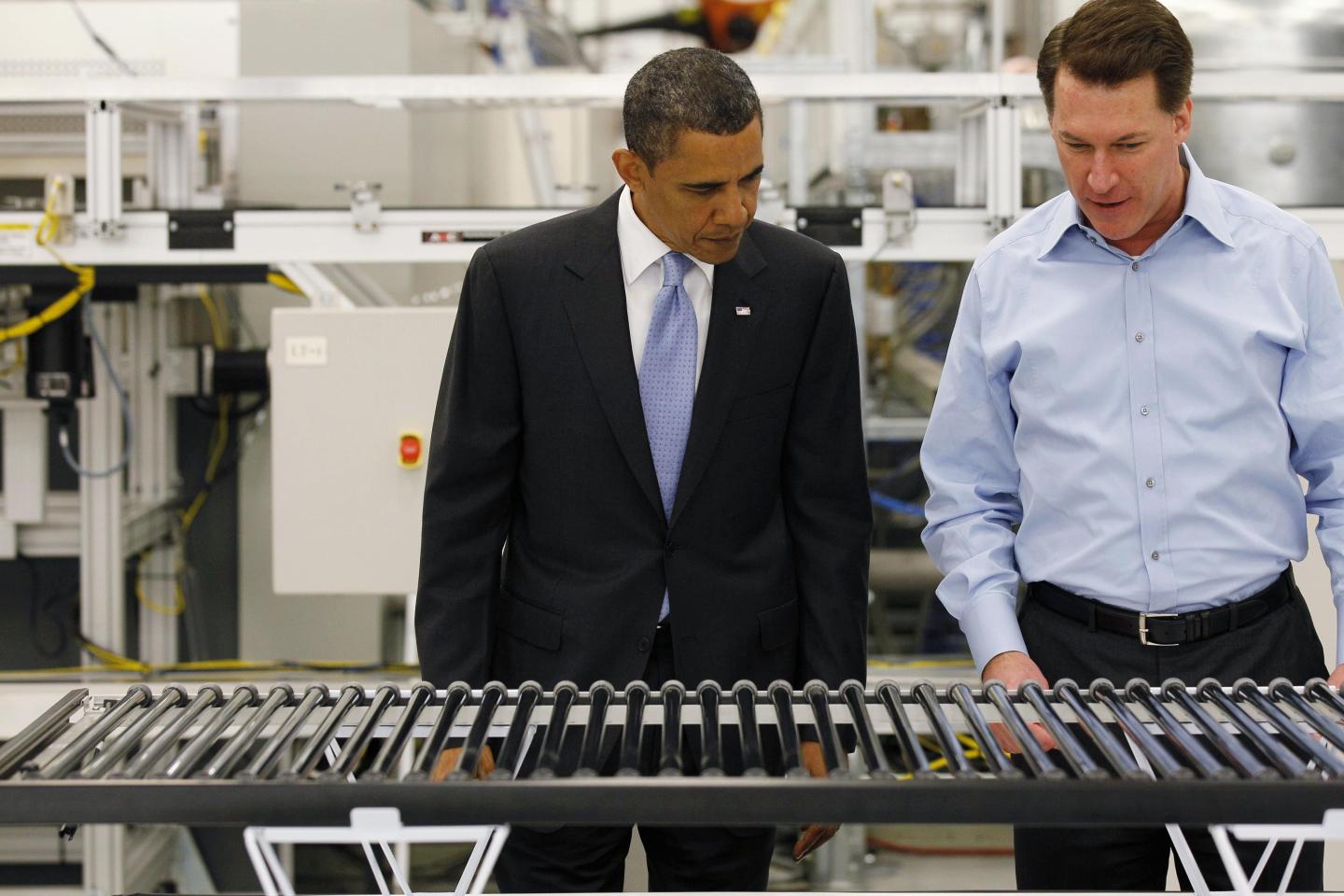
Barack Obama, Chris Gronet
FILE--In this May 26, 2010 file photo, President Barack Obama, with Solyndra Chief Executive Officer Chris Gronet, looks at a solar panel, during a tour of Solyndra, Inc., a solar panel manufacturing facility, in Fremont, Calif. Solyndra received a $535 million loan from the U.S. government has announced layoffs of 1,100 workers and plans to file for bankruptcy. (AP Photo/Alex Brandon, File)Photograph by Alex Brandon — AP

Almost exactly four years after solar panel startup Solyndra filed for bankruptcy, the ghost of the company has now risen again, for seemingly the umpteenth time. And no it wasn’t from another awkward Republican Presidential debate.

This time the haunting is in the form of a report from the Inspector General’s Office, which after more than four years of investigation, concluded that Solyndra officials used inaccurate information to mislead the Department of Energy in its application for a $535 million loan guarantee. The report also found that there were shortcomings with the DOE’s process of managing and approving the loan guarantee to Solyndra.

Solyndra of course is the once much-hyped solar panel startup that raised over a billion dollars from private investors and lost $5oo million of tax-payer funds, in the form of a loan backed by the DOE, when the company later went bankrupt.

The loan program was created under the Energy Policy Act of 2005, but Obama’s stimulus plan first funded it. Loan guarantees basically says the government will pay back the loans to a company if borrowers can’t. In many cases, like in Solyndra’s case, the government also provided the loans as well, via the Federal Financing Bank.

Anyone who’s followed this story closely for the past few years won’t be surprised by the report, but some of the details of Solyndra’s executives’ deception are laid bare. The details are worth reading because they are actually similar to tactics Silicon Valley startups sometimes use when raising money, telling their stories to the press, selling their goods, and negotiating business with partners.

These not-so-uncommon deceptions are writ large because of the enormous size of the Department of Energy’s $535 million loan guarantee, because of the large size of the contracts with customers (hundreds of millions of dollars) and because of the political and media spectacle that emerged around Solyndra after its bankruptcy. More than anything, the report highlights that a startup as high-risk as Solyndra should not have ever been considered for such a large loan guarantee from the federal government.

Solyndra, a solar energy technology company, visited by the President last year, has secured over a billion dollars in loans, in Fremont, California.
Fremont, CA – March 14: David Miller, Director of Corporate Communications, on the roof with solar collecting tubes by Solyndra, a solar energy technology company, visited by the President last year, which has secured over a billion dollars in loans, March, 14, 2011 in Fremont, CA. (Photo by Bill O’Leary/The Washington Post via Getty Images)Photograph by Bill O’Leary — The Washington Post/Getty Images
Photograph by Bill O'Leary — The Washington Post/Getty Images

If you don’t remember the whole story of Solyndra, the company was making tubular solar panels using a thin, next-generation solar material and a lightweight racking system where the panels were installed. The company said big power companies would pay a premium for its solar panels, partly because the panels would save them money during the installation process.

The company raised more than a billion dollars from investors such as Madrone Capital (a fund associated with the Walton family, the heirs to the Walmart fortune), RockPort Capital, Redpoint Capital, the George Kaiser Family Foundation, and others. In addition to backing from private investors, Solyndra was the very first company to score the loan guarantee from the DOE’s newly-funded program, and the loan was also one of the largest given out (similar in size to Tesla’s).

Solyndra went bankrupt because its costs were far too high, its only customers were paying for its panels at a discount, and the cost of solar panels in China were beginning to drop dramatically. Instead of finding customers willing to pay a premium for its new panels, its solar developer customers could head to China and buy cheap panels there.

The most damning evidence in the Inspector General’s report focuses on Solyndra’s sales contract commitments with its power company customers. Solyndra officials originally said in its loan guarantee application process it had four contracts that were worth a total of $1.4 billion, or hundreds of millions of dollars each. Later the company cited sales contract commitments of $2 billion with additional customers.

Solyndra Solar Cell Arrays At Fremont Manufacturing Plant
Tyler Fagrey moves completed cylindrical shaped solar cell modules at the Solyndra Inc. manufacturing facility in Fremont, California, U.S., on Tuesday, Nov. 23, 2010. Photographer: Ken James/Bloomberg via Getty ImagesPhotograph by Ken James — Bloomberg via Getty Images
Photograph by Ken James — Bloomberg via Getty Images

But during the investigation, the Inspector General’s office found that some of those customers had asked for, and were given, orders at discounted prices, and for much lower volumes than the contracts stated. Still other customers had no future business committed to Solyndra. The $1.4 billion, and later $2 billion, weren’t booked revenues, they were aspirational contracts that weren’t binding.

The report says “the company internally forecasted that contract customers collectively wanted to purchase more than $700 million less volume than that exhibited in the sales contracts.”

One Solyndra customer who ended up buying lower volumes of discounted solar panels told investigators that Solyndra assured them through a side verbal agreement that his company wouldn’t have to buy the high volume stated in the contract.

When the DOE asked Solyndra officials about any updates on sales contracts, Solyndra officials said there weren’t any, says the report. Solyndra officials told the same information to the credit rating firm Fitch, which led to a credit rating based on the inaccurate information.

Solyndra Solar Cell Arrays At Fremont Manufacturing Plant
Jerold Perez, a maintenance operator, runs a check on equipment used to produce cylindrical shaped solar cell modules at the Solyndra Inc. manufacturing facility in Fremont, California, U.S., on Tuesday, Nov. 23, 2010. Photographer: Ken James/Bloomberg via Getty Images
Photograph by Ken James — Bloomberg via Getty Images

Solyndra’s use of inaccurate info was extreme even for a startup. The report says:

Solyndra officials were, at best, reckless and irresponsible or, at worst, an orchestrated effort to knowingly and intentionally deceive and mislead the Department

But it’s hard to prove if it was wishful thinking or knowing deceit. Maybe a little bit of both.

At the same time the Inspector General’s report found that Solyndra had at one point given more accurate sales contract updates to a DOE consultant in 2009 and that consultant didn’t alert the DOE to the significance. Solyndra also sent over a spreadsheet to the DOE that showed missed revenue projections, but DOE consultants staff didn’t study the document closely enough to realize its significance.

After Solyndra’s bankruptcy, the FBI joined the Inspector General’s investigation. In early 2015, the Department of Justice decided to not pursue criminal prosecution of Solyndra officials.

In response to the report, Miles Ehrlich, an attorney for Solyndra’s former CEO Chris Gronet, issued a statement that said:

There were no false or misleading statements by anyone at Solyndra, and these so-called “findings” were never supported by the evidence. These exact same allegations were investigated up, down, and sideways by three of the most experienced and aggressive federal prosecutors offices in the country—and each time they rejected this DOE spin as contrary to the actual facts. It is disappointing that a federal agency would publicize discredited accusations, knowing that they will never have to be tested by actual evidence, a trial, a jury, or any measure of basic due process.

It’s not that uncommon for startups to exaggerate sales, exaggerate the nature of contracts, to boost growth predictions, and to leave out unflattering information with investors, the press and customers. For Solyndra, the discrepancy was the backbone of a $535-million loan guarantee, which was the big problem.

In the report, the Inspector General places more blame on Solyndra officials than DOE executives that failed in due diligence with a high-risk and opaque startup. However the loan program has since stopped offering guarantees for very large amounts for these types of high-risk startups for the last several years.
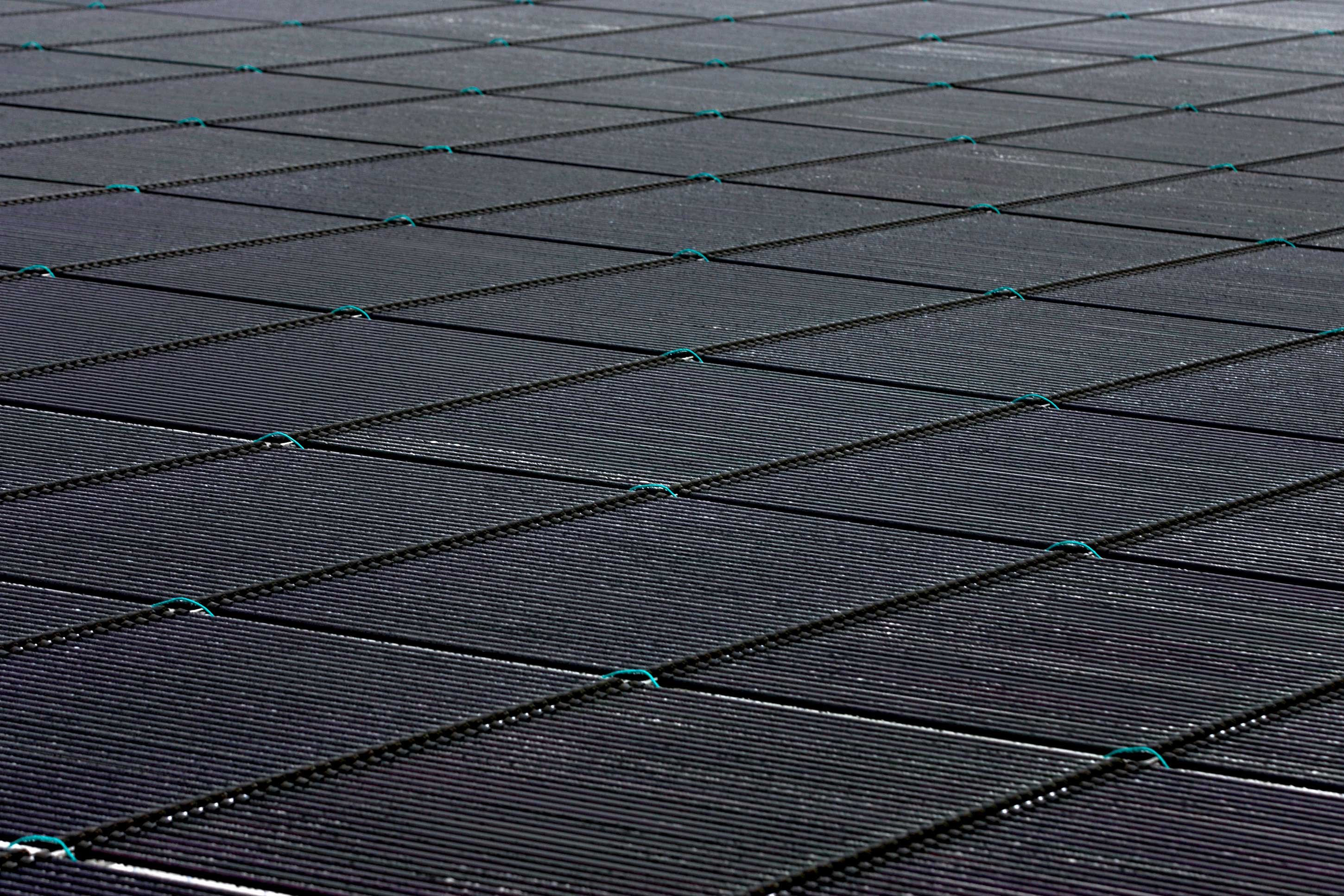
Solyndra Solar Cell Arrays At Fremont Manufacturing Plant
An array of cylindrical shaped solar cell modules produced by Solyndra Inc. harnesses energy from the sun atop the company’s manufacturing facility in Fremont, California, U.S., on Tuesday, Nov. 23, 2010. Photographer: Ken James/Bloomberg via Getty ImagesPhotograph by Ken James — Bloomberg via Getty Images
Photograph by Ken James — Bloomberg via Getty Images

The Inspector General says part of the reason for releasing the report now is so that the DOE will learn lessons and will make its due diligence process better. The DOE has another $40 billion in loan guarantee commitments available to it, and the report notes that another scandal like Solyndra could mean the end of the program. Earlier this week another $1 billion was added to the loan guarantee program, with a particular emphasis on “distributed technologies,” such as solar roofs, batteries and the smart grid.

Today, the DOE actually seems to have learned great lessons from the Solyndra mistake. Following Solyndra, the loan program largely gave out loan guarantees to power projects — large solar farms, wind farms and nuclear plants – that already have big utility customer agreements, instead of young manufacturing startups with new products and few customers.

Much of Silicon Valley, clean tech entrepreneurs and investors, and the solar industry at large have moved beyond the whole Solyndra spectacle. But it’s good to meditate over the details of why this happened and to take precautions for how not to let it happen again. The stakes of clean power, climate change and the solar industry are far too high.

To learn more about the solar industry watch this Fortune video:

About the Author
By Katie Fehrenbacher
See full bioRight Arrow Button Icon

Latest in Tech

Finance
Lorem ipsum dolor sit amet, consectetur adipiscing elit, sed do eiusmod tempor incididunt ut labore et dolore magna aliqua. Ut enim ad minim veniam
By Fortune Editors
October 20, 2025
Finance
Lorem ipsum dolor sit amet, consectetur adipiscing elit, sed do eiusmod tempor incididunt ut labore et dolore magna aliqua. Ut enim ad minim veniam
By Fortune Editors
October 20, 2025
Finance
Lorem ipsum dolor sit amet, consectetur adipiscing elit, sed do eiusmod tempor incididunt ut labore et dolore magna aliqua. Ut enim ad minim veniam
By Fortune Editors
October 20, 2025
Finance
Lorem ipsum dolor sit amet, consectetur adipiscing elit, sed do eiusmod tempor incididunt ut labore et dolore magna aliqua. Ut enim ad minim veniam
By Fortune Editors
October 20, 2025
Finance
Lorem ipsum dolor sit amet, consectetur adipiscing elit, sed do eiusmod tempor incididunt ut labore et dolore magna aliqua. Ut enim ad minim veniam
By Fortune Editors
October 20, 2025
Finance
Lorem ipsum dolor sit amet, consectetur adipiscing elit, sed do eiusmod tempor incididunt ut labore et dolore magna aliqua. Ut enim ad minim veniam
By Fortune Editors
October 20, 2025

Most Popular

Finance
Lorem ipsum dolor sit amet, consectetur adipiscing elit, sed do eiusmod tempor incididunt ut labore et dolore magna aliqua. Ut enim ad minim veniam
By Fortune Editors
October 20, 2025
Finance
Lorem ipsum dolor sit amet, consectetur adipiscing elit, sed do eiusmod tempor incididunt ut labore et dolore magna aliqua. Ut enim ad minim veniam
By Fortune Editors
October 20, 2025
Finance
Lorem ipsum dolor sit amet, consectetur adipiscing elit, sed do eiusmod tempor incididunt ut labore et dolore magna aliqua. Ut enim ad minim veniam
By Fortune Editors
October 20, 2025
Finance
Lorem ipsum dolor sit amet, consectetur adipiscing elit, sed do eiusmod tempor incididunt ut labore et dolore magna aliqua. Ut enim ad minim veniam
By Fortune Editors
October 20, 2025
Finance
Lorem ipsum dolor sit amet, consectetur adipiscing elit, sed do eiusmod tempor incididunt ut labore et dolore magna aliqua. Ut enim ad minim veniam
By Fortune Editors
October 20, 2025
Finance
Lorem ipsum dolor sit amet, consectetur adipiscing elit, sed do eiusmod tempor incididunt ut labore et dolore magna aliqua. Ut enim ad minim veniam
By Fortune Editors
October 20, 2025
Fortune Secondary Logo
Rankings
  • 100 Best Companies
  • Fortune 500
  • Global 500
  • Fortune 500 Europe
  • Most Powerful Women
  • Future 50
  • World’s Most Admired Companies
  • See All Rankings
Sections
  • Finance
  • Fortune Crypto
  • Features
  • Leadership
  • Health
  • Commentary
  • Success
  • Retail
  • Mpw
  • Tech
  • Lifestyle
  • CEO Initiative
  • Asia
  • Politics
  • Conferences
  • Europe
  • Newsletters
  • Personal Finance
  • Environment
  • Magazine
  • Education
Customer Support
  • Frequently Asked Questions
  • Customer Service Portal
  • Privacy Policy
  • Terms Of Use
  • Single Issues For Purchase
  • International Print
Commercial Services
  • Advertising
  • Fortune Brand Studio
  • Fortune Analytics
  • Fortune Conferences
  • Business Development
  • Group Subscriptions
About Us
  • About Us
  • Editorial Calendar
  • Press Center
  • Work At Fortune
  • Diversity And Inclusion
  • Terms And Conditions
  • Site Map
  • About Us
  • Editorial Calendar
  • Press Center
  • Work At Fortune
  • Diversity And Inclusion
  • Terms And Conditions
  • Site Map
  • Facebook icon
  • Twitter icon
  • LinkedIn icon
  • Instagram icon
  • Pinterest icon

Latest in Tech

Even Nvidia’s own research teams can’t get enough GPUs amid the race for AI computing power
NewslettersEye on AI
Even Nvidia’s own research teams can’t get enough GPUs amid the race for AI computing power
By Sharon GoldmanApril 9, 2026
8 hours ago
You’re looking at the AI revolution all wrong, top economist says: 40% unemployment and a 3-day work week are the same thing
AIdisruption
You’re looking at the AI revolution all wrong, top economist says: 40% unemployment and a 3-day work week are the same thing
By Nick LichtenbergApril 9, 2026
9 hours ago
Zoom CEO Eric Yuan
Successthe future of work
‘I hate working 5 days’: Zoom CEO says traditional work schedules are becoming obsolete—and predicts a 3-day workweek by 2031
By Preston ForeApril 9, 2026
10 hours ago
Nutella seen aboard the Orion spacecraft Integrity.
RetailFood and drink
Nutella jumps on the best product placement money can’t buy: A trip to the far side of the Moon
By Catherina GioinoApril 9, 2026
11 hours ago
kash
Cybersecuritycyber
Trump’s ‘cease-fire’ won’t stop Iranian hackers for long, cyber experts say
By David Klepper and The Associated PressApril 9, 2026
11 hours ago
lego
PoliticsIran
AI-savvy pro-Iran groups troll America with Lego Movie-style propaganda videos mocking American failure
By Sam McNeil and The Associated PressApril 9, 2026
12 hours ago

Most Popular

The U.S. government is spending $88 billion a month in interest on national debt—equal to spending on defense and education combined
Economy
The U.S. government is spending $88 billion a month in interest on national debt—equal to spending on defense and education combined
By Fortune EditorsApril 9, 2026
13 hours ago
2 years ago, Saudi Arabia quietly canceled the ‘petrodollar’ deal with America that wired the world economy for 50 years. Then war broke out in Iran
Energy
2 years ago, Saudi Arabia quietly canceled the ‘petrodollar’ deal with America that wired the world economy for 50 years. Then war broke out in Iran
By Fortune EditorsApril 7, 2026
2 days ago
Gen Z doesn't want your full-time job. They want several part-time roles, and it's reshaping the entire workforce
Success
Gen Z doesn't want your full-time job. They want several part-time roles, and it's reshaping the entire workforce
By Fortune EditorsApril 9, 2026
17 hours ago
Self-made billionaire MrBeast says his work-life balance is nonexistent and calls it a ‘miracle’ if he works less than 15-hour days: ‘I live to work’
Success
Self-made billionaire MrBeast says his work-life balance is nonexistent and calls it a ‘miracle’ if he works less than 15-hour days: ‘I live to work’
By Fortune EditorsApril 8, 2026
1 day ago
The U.S. had a national debt ‘home run’ in its grasp, says Jamie Dimon. But the government did nothing, and now its best option is crisis management
Economy
The U.S. had a national debt ‘home run’ in its grasp, says Jamie Dimon. But the government did nothing, and now its best option is crisis management
By Fortune EditorsApril 8, 2026
2 days ago
Gen Z workers are so fearful AI will take their job they’re intentionally sabotaging their company’s AI rollout
AI
Gen Z workers are so fearful AI will take their job they’re intentionally sabotaging their company’s AI rollout
By Fortune EditorsApril 8, 2026
1 day ago

© 2026 Fortune Media IP Limited. All Rights Reserved. Use of this site constitutes acceptance of our Terms of Use and Privacy Policy | CA Notice at Collection and Privacy Notice | Do Not Sell/Share My Personal Information
FORTUNE is a trademark of Fortune Media IP Limited, registered in the U.S. and other countries. FORTUNE may receive compensation for some links to products and services on this website. Offers may be subject to change without notice.