• Home
  • Latest
  • Fortune 500
  • Finance
  • Tech
  • Leadership
  • Lifestyle
  • Rankings
  • Multimedia
Featuresstress

Why checking email after work is bad for your career – and health

By
Money
Money
Down Arrow Button Icon
By
Money
Money
Down Arrow Button Icon
April 7, 2015, 7:06 AM ET
BD2035-002
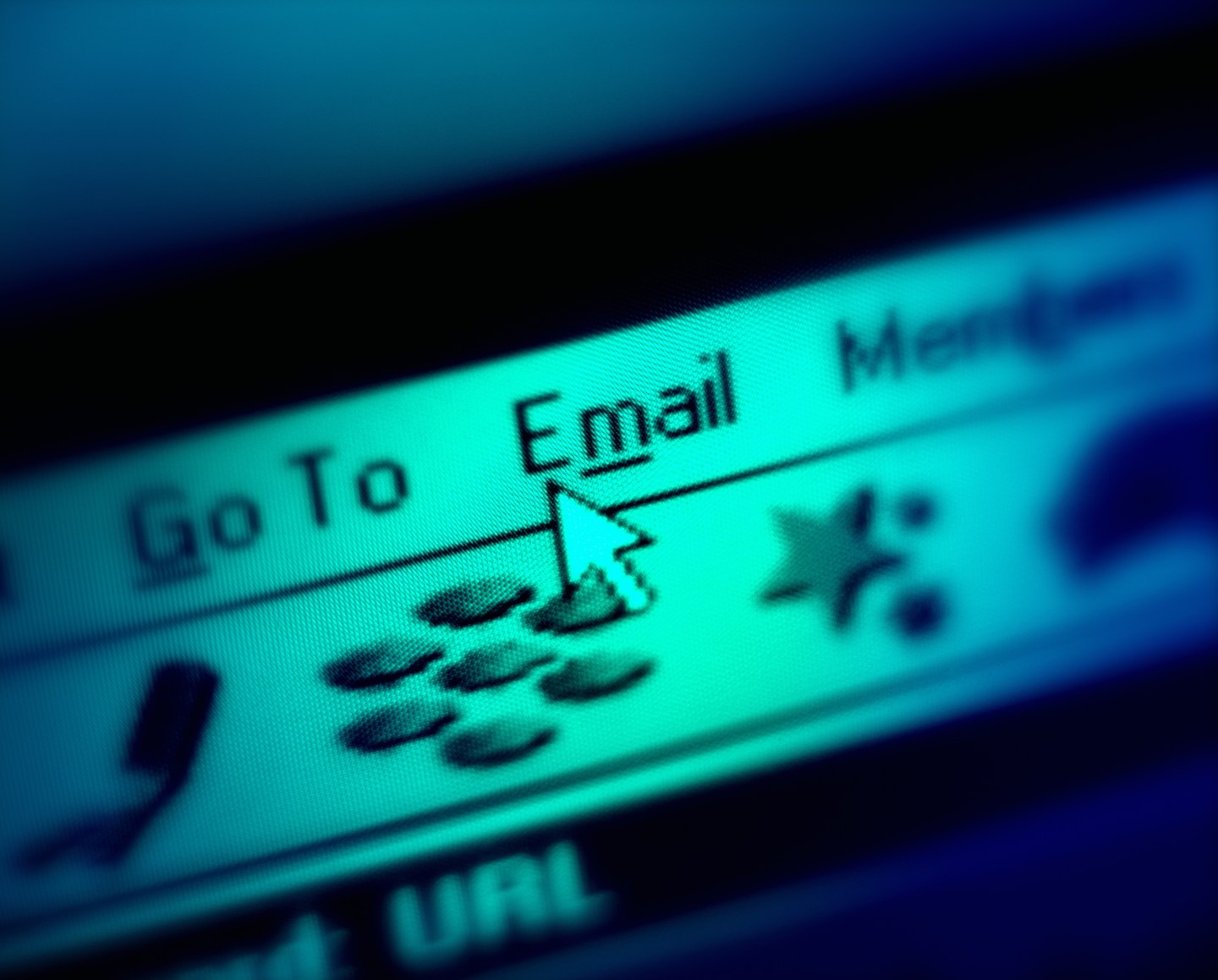
Email introductions should benefit both parties, not just you.Photograph by Getty Images

This article is published in partnership with Money.com. The original version can be found here.

By Donna Rosato @RosatoDonna

The availability of smartphones and tablets has made it easy and common to check email anytime, anywhere: 59% of American workers say they use their mobile devices to do work after normal business hours, according to a recent Workplace Options survey.

But that convenience comes at a price. Checking email constantly can lead to burnout and health problems, says Dean Debnam, chief executive officer of Workplace Options, which provides employees with work-life balance support services.

Whether you should check work email regularly depends on your personal preference as well as your company culture, Debnam says. For many, the ability to field email anytime, anywhere is a good thing. It can free you from long hours in the office and enable you to respond quickly to important or urgent issues. You may feel better not having a full inbox when you log on in the a.m. About 80% of workers say using a smart phone, tablet, or laptop to work outside of typical business hours is positive, according to a 2014 Gallup poll.

For some professions, it is just part of the job. Maybe you work with people across different time zones. Or you’re a consultant, lawyer, or salesperson who needs to be available to clients all the time. (A prestigious law firm had to apologize to employees recently when its announcement of a new policy eliminating email overnight and on weekends turned out to be an April Fool’s prank.)

On the downside, constantly being available online translates into more work hours. Though just 36% of workers say they frequently check in outside of regular office hours, those who do log an additional 10 hours of work a week—twice as many hours as those who rarely or only occasionally check email remotely, according to the Gallup survey.

Younger workers and men are more likely to be in constant contact. About 40% of Gen-X and Gen-Y workers check email frequently outside of work vs. one-third of Baby Boomers, and 40% of men vs. 31% of women, according to the Gallup poll.

The more money you make and more education you have, the more likely you are to be among those frequently connected. Employees with a college degree or higher and people who earn more than $120,000 a year are twice as likely to constantly check email than those with lower education levels and salaries below $48,000 a year. That’s a reflection of how prevalent email communication is for higher education and income groups in white collar jobs—or the pressure many workers feel to respond immediately.

There’s lots of evidence that that kind of connectivity is bad for your health, your psyche, and your productivity.

First, it can seriously intrude on your personal life. A survey of 1,000 workers by Good Technology, a mobile-software firm, found that 68% of people checked work email before 8 a.m., 50% checked it while in bed, 57% do it on family outings, and 38% regularly do at the dinner table.

And your communication might not be as sharp or thoughtful when you’re doing it off-hours. It is hard to be at your best when you’re responding to a work issue late at night or in a non-work setting. “If you check in during a family dinner or with your kids running around in the background, you’re going to be distracted,” says Debnam.

Working around the clock can cause serious health problems too. A piece in Medical Daily cited a recent study in the journal Chronobiology International that found that checking your work email at home, or taking a call from the boss on weekends, could lead to psychological, gastrointestinal, and cardiovascular problems

If you don’t want to be constantly connected, set expectations up front by not getting into the habit of monitoring and responding to email after hours unless there’s an important reason to do so. And if it’s just part of your company culture? Well, then you have to decide whether that’s a company you want to work for, says Debnam.

Watch more business news from Fortune:
About the Author
By Money
See full bioRight Arrow Button Icon

Latest in Features

FeaturesThe Boring Company
Two firefighters suffered chemical burns in a Boring Co. tunnel. Then the Nevada Governor’s office got involved, and the penalties disappeared
By Jessica Mathews and Leo SchwartzNovember 12, 2025
1 month ago
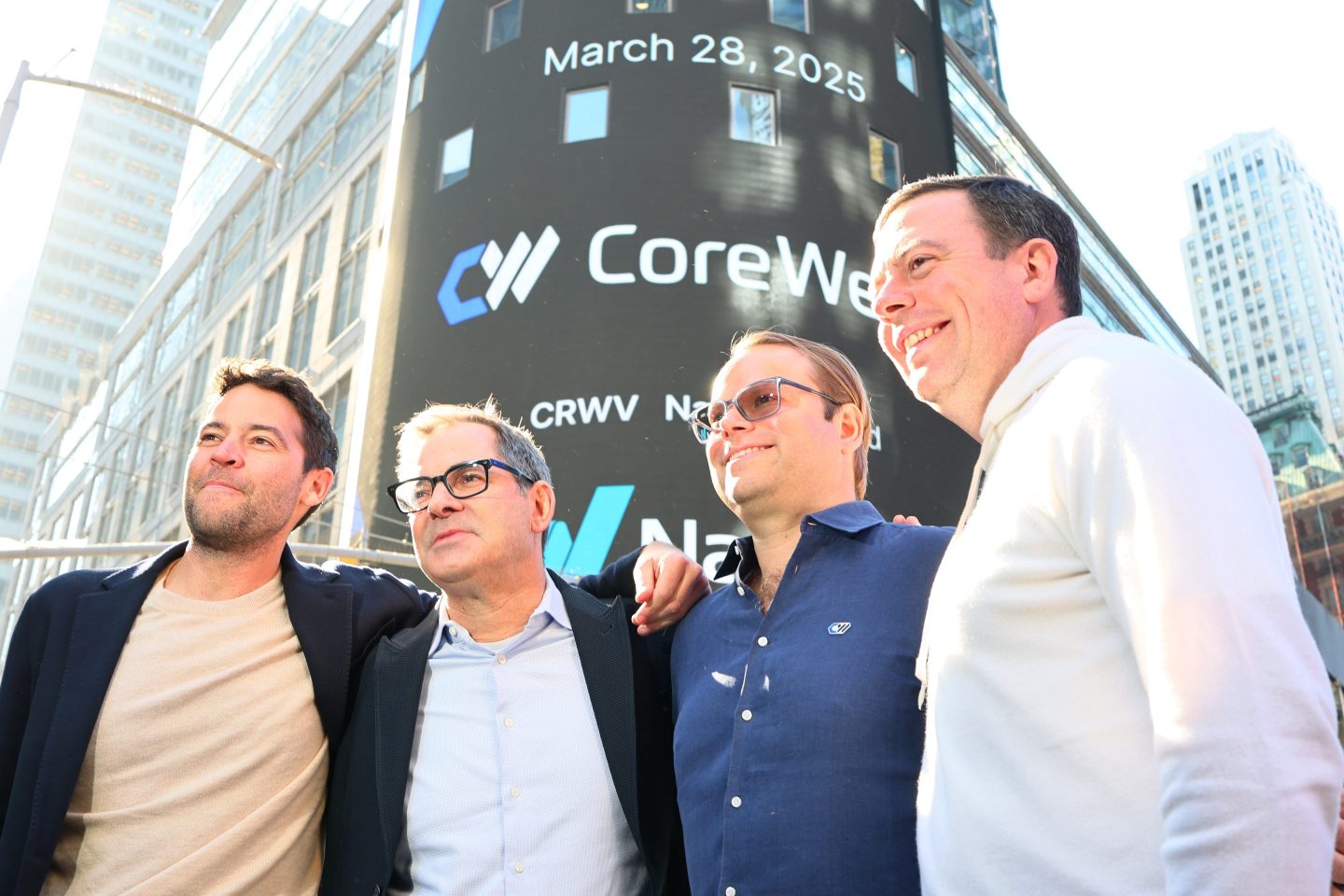
CoreWeave executives pose in front of the Nasdaq building on the day of the company's IPO.
AIData centers
Data-center operator CoreWeave is a stock-market darling. Bears see its finances as emblematic of an AI infrastructure bubble
By Jeremy Kahn and Leo SchwartzNovember 8, 2025
1 month ago
Libery Energy's hydraulic fracturing, or frac, spreads are increasingly electrified with natural gas power, a technology now translating to powering data centers.
Energy
AI’s insatiable need for power is driving an unexpected boom in oil-fracking company stocks 
By Jordan BlumOctober 23, 2025
2 months ago
Politics
Huge AI data centers are turning local elections into fights over the future of energy
By Sharon GoldmanOctober 22, 2025
2 months ago
A plane carrying Donald Trump Jr. arrives in January in Nuuk, Greenland, where he is making a short private visit after his father, President Trump, suggested Washington annex the autonomous Danish territory.
EnergyGreenland
A Texas company plans to drill for oil in Greenland despite a climate change ban and Trump’s desire to annex the territory
By Jordan BlumOctober 22, 2025
2 months ago
Three of the founders of Multiverse Computing.
AIChange the World
From WhatsApp friends to a $500 million–plus valuation: These founders argue their tiny AI models are better for customers and the planet
By Vivienne WaltOctober 9, 2025
2 months ago

Most Popular

placeholder alt text
Economy
Tariffs are taxes and they were used to finance the federal government until the 1913 income tax. A top economist breaks it down
By Kent JonesDecember 12, 2025
19 hours ago
placeholder alt text
Success
Apple cofounder Ronald Wayne sold his 10% stake for $800 in 1976—today it’d be worth up to $400 billion
By Preston ForeDecember 12, 2025
15 hours ago
placeholder alt text
Success
At 18, doctors gave him three hours to live. He played video games from his hospital bed—and now, he’s built a $10 million-a-year video game studio
By Preston ForeDecember 10, 2025
3 days ago
placeholder alt text
Success
40% of Stanford undergrads receive disability accommodations—but it’s become a college-wide phenomenon as Gen Z try to succeed in the current climate
By Preston ForeDecember 12, 2025
14 hours ago
placeholder alt text
Success
Palantir cofounder calls elite college undergrads a ‘loser generation’ as data reveals rise in students seeking support for disabilities, like ADHD
By Preston ForeDecember 11, 2025
2 days ago
placeholder alt text
Arts & Entertainment
'We're not just going to want to be fed AI slop for 16 hours a day': Analyst sees Disney/OpenAI deal as a dividing line in entertainment history
By Nick LichtenbergDecember 11, 2025
1 day ago
Rankings
  • 100 Best Companies
  • Fortune 500
  • Global 500
  • Fortune 500 Europe
  • Most Powerful Women
  • Future 50
  • World’s Most Admired Companies
  • See All Rankings
Sections
  • Finance
  • Leadership
  • Success
  • Tech
  • Asia
  • Europe
  • Environment
  • Fortune Crypto
  • Health
  • Retail
  • Lifestyle
  • Politics
  • Newsletters
  • Magazine
  • Features
  • Commentary
  • Mpw
  • CEO Initiative
  • Conferences
  • Personal Finance
  • Education
Customer Support
  • Frequently Asked Questions
  • Customer Service Portal
  • Privacy Policy
  • Terms Of Use
  • Single Issues For Purchase
  • International Print
Commercial Services
  • Advertising
  • Fortune Brand Studio
  • Fortune Analytics
  • Fortune Conferences
  • Business Development
About Us
  • About Us
  • Editorial Calendar
  • Press Center
  • Work At Fortune
  • Diversity And Inclusion
  • Terms And Conditions
  • Site Map

© 2025 Fortune Media IP Limited. All Rights Reserved. Use of this site constitutes acceptance of our Terms of Use and Privacy Policy | CA Notice at Collection and Privacy Notice | Do Not Sell/Share My Personal Information
FORTUNE is a trademark of Fortune Media IP Limited, registered in the U.S. and other countries. FORTUNE may receive compensation for some links to products and services on this website. Offers may be subject to change without notice.