• Home
  • Latest
  • Fortune 500
  • Finance
  • Tech
  • Leadership
  • Lifestyle
  • Rankings
  • Multimedia
Cybersecurity

Online, a bazaar bursting with stolen credit card information

Robert Hackett
By
Robert Hackett
Robert Hackett
Down Arrow Button Icon
Robert Hackett
By
Robert Hackett
Robert Hackett
Down Arrow Button Icon
September 21, 2014, 11:37 AM ET
Credit Crunch Threatens Economy
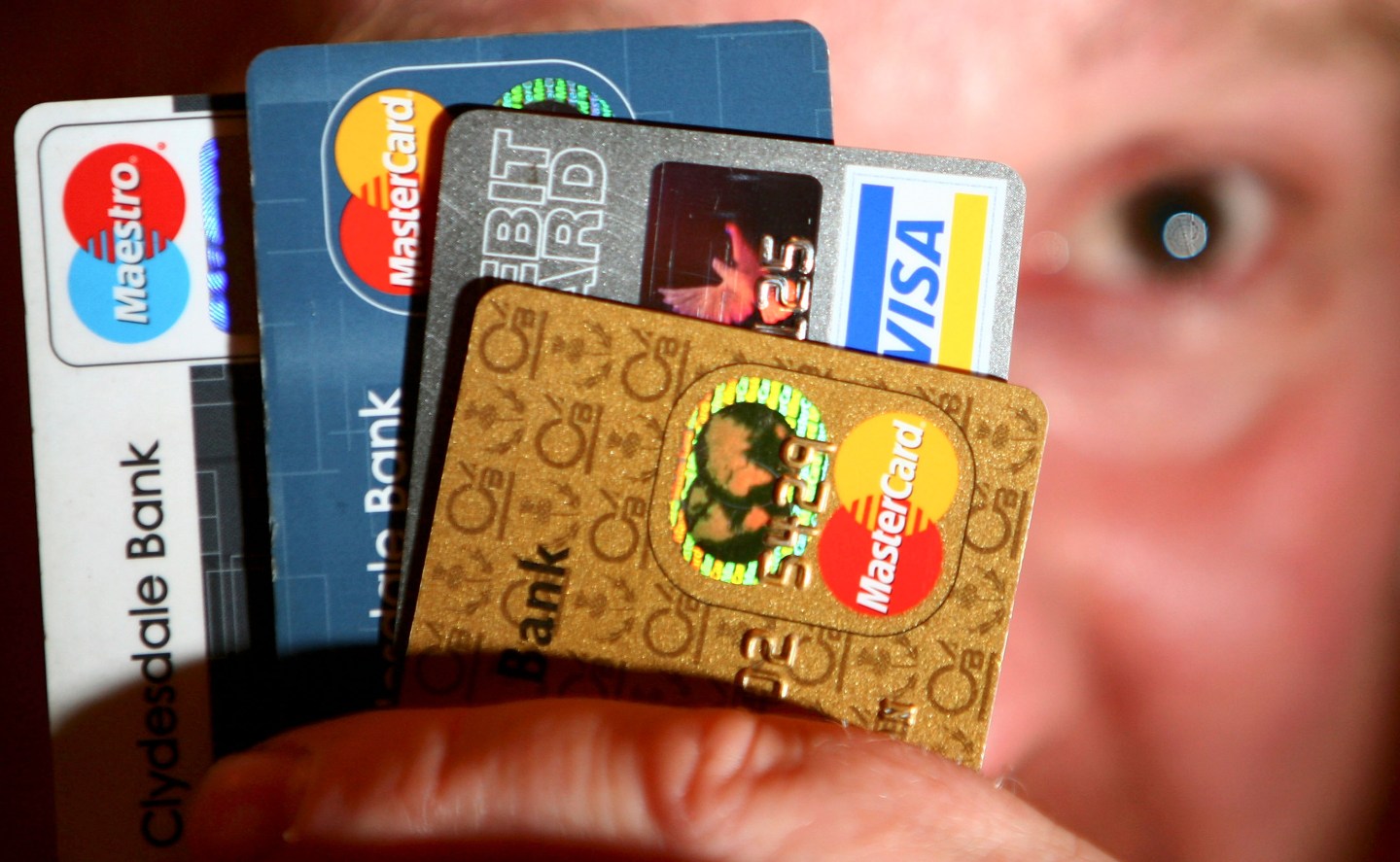
LONDON - DECEMBER 06: In this photo illustration a man holds up some credit and debit cards on December 6, 2007 in Glasgow,Scotland.The British economy is beginning to feel the effects of the credit crisis which began this year. House prices have begun to fall and the retail sector is predicting a difficult Christmas period. (Photo by Jeff J Mitchell/Getty Images)Photograph by Jeff J. Mitchell—Getty Images

The latest Target for retail cyber robbers? Home Depot. (At least, that we know of.) The home improvement retailer recently acknowledged a five-month data breach at its payment terminals that may have compromised 56 million payment cards.

Some have characterized the Home Depot (HD) data breach the largest to date. (This year’s Target breach: 26 million cards over three weeks.) If you’ve shopped at the big-box retailer, though, you’re probably wondering: What happens to all that personal information once it gets into the hands of cyber thieves?

They take it to market, of course.

Rescator.cc is one of several underground markets where black-hat hackers (that is, the bad ones) go to move product—”product” in this case being your personal information. According to Brian Krebs, a journalist-turned cyber security analyst, Rescator received two gigantic dumps of stolen card numbers on Sept. 2—including a significant score from Home Depot. (“USA and World Dumps update!” the update cheerily proclaimed.) In the next few days, more illicit shipments followed.

If the site’s name sounds vaguely familiar, it’s because Rescator is the same place where the Target (TGT) breach’s spoils first emerged last December. Both hacks exploited the same vulnerabilities using similar malware. Coincidence?

In the latest case, the hackers’ reputation preceded them. “They were throwing out all different kinds of alerts on criminal forums that there’s a big, huge batch coming,” says Krebs, who first broke news of the Target and Home Depot breaches. “These guys have a brand. They got famous with Target.”

Anyone can sign up at underground markets like Rescator. Transactions are often conducted through a digital currency platform like Bitcoin to preserve anonymity. What follows: a rainbow-colored pilfer party. Shop ’till you drop!

“Credit cards are typically graded and packaged into large tranches by type, freshness, or other factors,”says Dan Guido, co-founder and CEO of the New York-based cyber security firm Trail of Bits. Cards with a later expiration date and higher credit limit may be worth more. A purchaser can also sort by country, state or city of origin, zip code, and issuing bank. “Criminals sometimes offer a few cards as a sample to a prospective buyer to charge and verify they work. It’s coordinated via forums on the regular Internet.”

Once the buyer secures a cardholder’s information from the seller, they can make purchases with funds from the victim’s account. With a little ingenuity—the kind on display during the recent leak of private celebrity photos hosted on Apple’s iCloud—the buyer can reset a cardholder’s PIN and withdraw money from their account. Sayonara, identity.

About 60% of the stolen Home Depot card information will be sold in dumps like this, says Tom Kellermann, chief cybersecurity officer at Trend Micro. That’s a conservative estimate. “You can buy 100 platinum cards for less than $1,000.” Do the math: A buyer can commit at least one act of fraud per card, he says. “Good deal, huh?”

Black markets are subject to the same economic forces that legal markets are, though. A glut of stolen credit card information has led to depressed prices for stolen personal information. According to a recent Trend Micro report, the average price for a stolen U.S. credit card was $1 in 2013, down from $3 in 2011.

Still, substantial profit can be made at scale. Hackers behind the Home Depot and Target breaches aren’t interested in stealing card information for their personal use; they’re far more interested in selling it to others. “You can safely call sites like Rescator like the big box credit card theft stores,” Krebs says. “They’re like the Best Buys of the underground.”

Like consumer electronics, stolen personal information is a rapidly depreciating asset. Once the looters put data up for sale, the clock starts ticking. It’s only a matter of time before law enforcement, banks, and journalists swoop in and spoil the fun. Sure, sellers can buy a little time by hosting the information on servers in countries unfriendly to the U.S. But as any retailer knows—Home Depot above all—it’s all about turning inventory into sales. Quickly.

Correction, September 22, 2014: An earlier version of this article misstated Tom Kellermann’s title. He is chief cybersecurity officer at Trend Micro.

About the Author
Robert Hackett
By Robert Hackett
Instagram iconLinkedIn iconTwitter icon
See full bioRight Arrow Button Icon

Latest in

Finance
Lorem ipsum dolor sit amet, consectetur adipiscing elit, sed do eiusmod tempor incididunt ut labore et dolore magna aliqua. Ut enim ad minim veniam
By Fortune Editors
October 20, 2025
Finance
Lorem ipsum dolor sit amet, consectetur adipiscing elit, sed do eiusmod tempor incididunt ut labore et dolore magna aliqua. Ut enim ad minim veniam
By Fortune Editors
October 20, 2025
Finance
Lorem ipsum dolor sit amet, consectetur adipiscing elit, sed do eiusmod tempor incididunt ut labore et dolore magna aliqua. Ut enim ad minim veniam
By Fortune Editors
October 20, 2025
Finance
Lorem ipsum dolor sit amet, consectetur adipiscing elit, sed do eiusmod tempor incididunt ut labore et dolore magna aliqua. Ut enim ad minim veniam
By Fortune Editors
October 20, 2025
Finance
Lorem ipsum dolor sit amet, consectetur adipiscing elit, sed do eiusmod tempor incididunt ut labore et dolore magna aliqua. Ut enim ad minim veniam
By Fortune Editors
October 20, 2025
Finance
Lorem ipsum dolor sit amet, consectetur adipiscing elit, sed do eiusmod tempor incididunt ut labore et dolore magna aliqua. Ut enim ad minim veniam
By Fortune Editors
October 20, 2025

Most Popular

Finance
Lorem ipsum dolor sit amet, consectetur adipiscing elit, sed do eiusmod tempor incididunt ut labore et dolore magna aliqua. Ut enim ad minim veniam
By Fortune Editors
October 20, 2025
Finance
Lorem ipsum dolor sit amet, consectetur adipiscing elit, sed do eiusmod tempor incididunt ut labore et dolore magna aliqua. Ut enim ad minim veniam
By Fortune Editors
October 20, 2025
Finance
Lorem ipsum dolor sit amet, consectetur adipiscing elit, sed do eiusmod tempor incididunt ut labore et dolore magna aliqua. Ut enim ad minim veniam
By Fortune Editors
October 20, 2025
Finance
Lorem ipsum dolor sit amet, consectetur adipiscing elit, sed do eiusmod tempor incididunt ut labore et dolore magna aliqua. Ut enim ad minim veniam
By Fortune Editors
October 20, 2025
Finance
Lorem ipsum dolor sit amet, consectetur adipiscing elit, sed do eiusmod tempor incididunt ut labore et dolore magna aliqua. Ut enim ad minim veniam
By Fortune Editors
October 20, 2025
Finance
Lorem ipsum dolor sit amet, consectetur adipiscing elit, sed do eiusmod tempor incididunt ut labore et dolore magna aliqua. Ut enim ad minim veniam
By Fortune Editors
October 20, 2025
Rankings
  • 100 Best Companies
  • Fortune 500
  • Global 500
  • Fortune 500 Europe
  • Most Powerful Women
  • Future 50
  • World’s Most Admired Companies
  • See All Rankings
Sections
  • Finance
  • Leadership
  • Success
  • Tech
  • Asia
  • Europe
  • Environment
  • Fortune Crypto
  • Health
  • Retail
  • Lifestyle
  • Politics
  • Newsletters
  • Magazine
  • Features
  • Commentary
  • Mpw
  • CEO Initiative
  • Conferences
  • Personal Finance
  • Education
Customer Support
  • Frequently Asked Questions
  • Customer Service Portal
  • Privacy Policy
  • Terms Of Use
  • Single Issues For Purchase
  • International Print
Commercial Services
  • Advertising
  • Fortune Brand Studio
  • Fortune Analytics
  • Fortune Conferences
  • Business Development
About Us
  • About Us
  • Editorial Calendar
  • Press Center
  • Work At Fortune
  • Diversity And Inclusion
  • Terms And Conditions
  • Site Map
  • Facebook icon
  • Twitter icon
  • LinkedIn icon
  • Instagram icon
  • Pinterest icon

Latest in

Salesforce founder and CEO Marc Benioff on stage, scowling.
AIEye on AI
AI agents from Anthropic and OpenAI aren’t killing SaaS—but incumbent software players can’t sleep easy
By Jeremy KahnFebruary 10, 2026
7 minutes ago
AIthe future of work
In the workforce, AI is having the opposite effect it was supposed to, UC Berkeley researchers warn
By Marco Quiroz-GutierrezFebruary 10, 2026
35 minutes ago
spending
RetailU.S. retail sales
Economists surprised by consumer spending’s screeching halt in December
By Anne D'Innocenzio and The Associated PressFebruary 10, 2026
36 minutes ago
lutnick
PoliticsJeffrey Epstein
Howard Lutnick admits to more Jeffrey Epstein meetings than previously known under questioning from Democrats
By Stephen Groves and The Associated PressFebruary 10, 2026
40 minutes ago
Investor Warren Buffett, pictured during a trip to Japan in 2011.
InvestingInvestment
Warren Buffett’s big bet on Japan earned Berkshire Hathaway $24 billion in just 6 years
By Tristan BoveFebruary 10, 2026
1 hour ago
Future of WorkLayoffs
‘AI-washing’ and ‘forever layoffs’: Why companies keep cutting jobs, even amid rising profits
By Claire ZillmanFebruary 10, 2026
1 hour ago

Most Popular

placeholder alt text
C-Suite
Meet Jody Allen, the billionaire owner of the Seattle Seahawks, who plans to sell the team and donate the proceeds to charity
By Jake AngeloFebruary 9, 2026
24 hours ago
placeholder alt text
AI
As billionaires bail, Mark Zuckerberg doubles down on California with $50 million donation
By Sydney LakeFebruary 9, 2026
1 day ago
placeholder alt text
Economy
China might be beginning to back away from U.S. debt as investors get nervous about overexposure to American assets
By Eleanor PringleFebruary 9, 2026
1 day ago
placeholder alt text
Economy
Elon Musk warns the U.S. is '1,000% going to go bankrupt' unless AI and robotics save the economy from crushing debt
By Jason MaFebruary 7, 2026
3 days ago
placeholder alt text
Economy
America borrowed $43.5 billion a week in the first four months of the fiscal year, with debt interest on track to be over $1 trillion for 2026
By Eleanor PringleFebruary 10, 2026
7 hours ago
placeholder alt text
Personal Finance
Current price of silver as of Monday, February 9, 2026
By Joseph HostetlerFebruary 9, 2026
1 day ago

© 2026 Fortune Media IP Limited. All Rights Reserved. Use of this site constitutes acceptance of our Terms of Use and Privacy Policy | CA Notice at Collection and Privacy Notice | Do Not Sell/Share My Personal Information
FORTUNE is a trademark of Fortune Media IP Limited, registered in the U.S. and other countries. FORTUNE may receive compensation for some links to products and services on this website. Offers may be subject to change without notice.