• Home
  • News
  • Fortune 500
  • Tech
  • Finance
  • Leadership
  • Lifestyle
  • Rankings
  • Multimedia
Real EstateHousing Recovery

Your hedge fund landlord isn’t all that bad

By
Chris Matthews
Chris Matthews
Down Arrow Button Icon
By
Chris Matthews
Chris Matthews
Down Arrow Button Icon
September 4, 2014, 3:55 PM ET
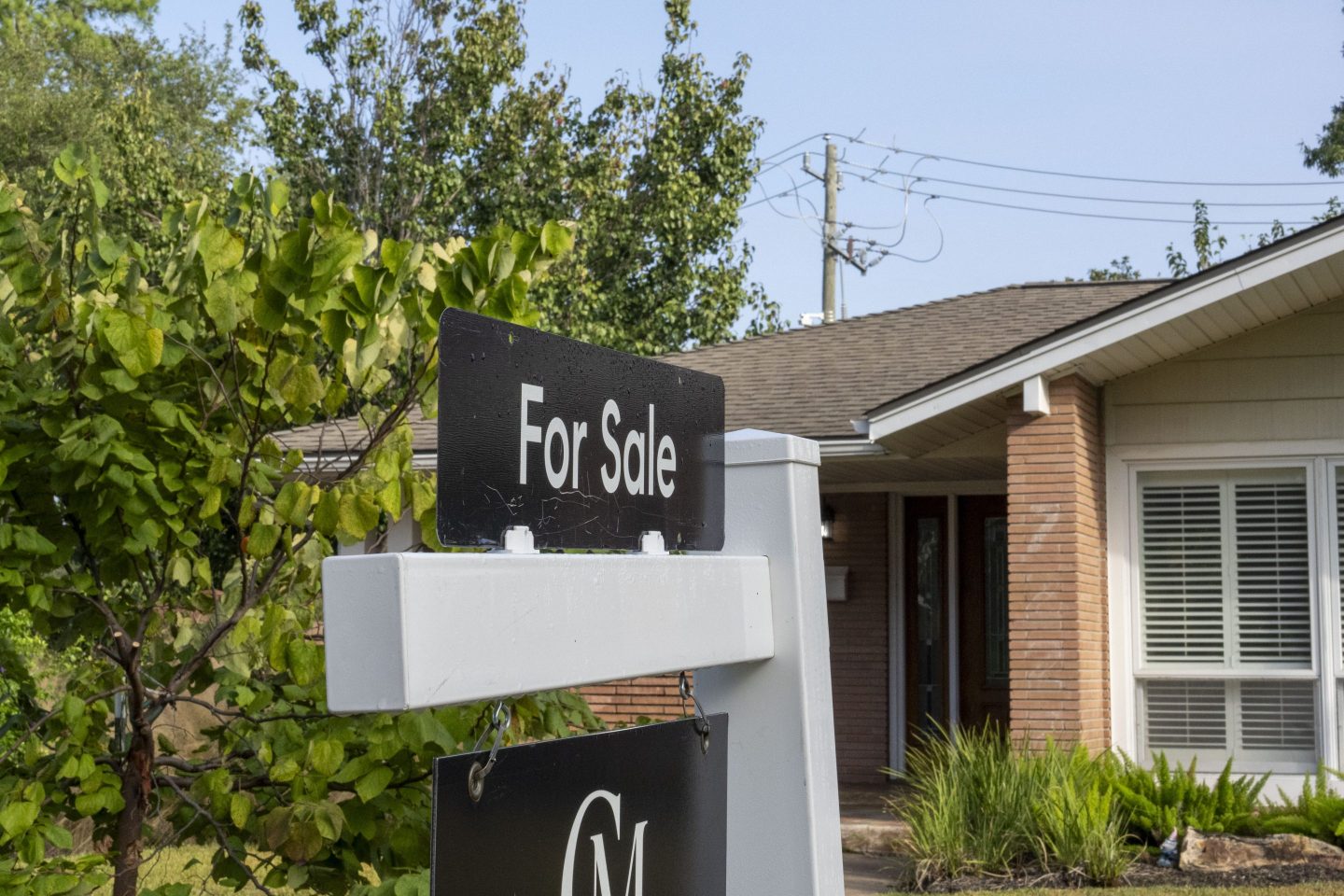
hmclaird—Flickr

Aside from Congress, perhaps, it’s hard to think of a group of people that Americans dislike more than financiers and landlords.

That’s why, when it became clear over the past few years that Wall Street hedge funds and other investor groups started to buy inexpensive properties and convert them into rental housing, much of the media braced for the worst. Left-leaning outlets like Mother Jones started to fret in 2012 when the first hedge funds began to snap up cheap, foreclosed real estate with the intention of profiting from the discrepancy between depressed home prices and rising rents.

And on Thursday, The New York Timeslooked into the phenomenon of investor-owned properties in Ferguson, Missouri, the lower-middle-income suburb of St. Louis where an unarmed black teenager was shot and killed by police, stoking racial tensions and a national debate over racism and police tactics. According to the Times:

The institutional money has meant a decline in the number of vacant homes and an increase in rental properties, but it has also raised concerns about the long-term intentions of these mainly out-of-town landlords and whether they will upgrade Ferguson’s aging housing stock.

But neither the Times nor the many other muckrakers going after the investor-as-landlord model has provided evidence that these bigger landlords are any worse than the mom-and-pop local land owners that were more common before the housing crisis. The main complaints from the Times:

  • Half of Ferguson’s more than 6,000 homeowners are underwater, owing more on their mortgages than their homes are worth;
  • The investor-funded firm, Raineth Housing, which has bought dozens of foreclosed homes in Ferguson and converted them to rentals, is owned by wealthy people in faraway Los Angeles;
  • The homes Raineth owns are old and somewhat worn down;
  • And that Susan Rollins, executive director of the Housing Authority of St. Louis County, said she put Raineth in the “bottom third” of landlords receiving federal rent subsidies when it comes to basic repairs and renovations.

The only concrete complaints unearthed in the story: there was a problem with mold in one house that was the result of a leaky pipe in the basement and a plumbing problem, which resulted in sewage backing up into the yard. Raineth co-founder Edward R. Renwick said that this issue was fixed Monday after receiving the complaint on 8 p.m. the previous Saturday.

Any landlord who doesn’t do his utmost to keep homes well-maintained and in livable condition should be condemned outright. But there’s no evidence that investor-funded-groups buying single-family homes on a large scale are more likely to be worse landlords than local owners.

Sure, the housing stock in Ferguson is older and more rundown than homes in wealthier areas. But this is not the fault of hedge fund investors, as affordable housing tends to be older and less desirable. If that seems like an unacceptable situation to you, then it needs to be remedied through government action, either through the construction of public housing or increased housing subsidies to the poor. The quality of affordable housing will not be improved by preventing certain kinds of investors from buying undervalued homes. To the contrary, there’s plenty of evidence supporting the notion that these sorts of buyers helped stop the downward spiral in home prices and spark a housing recovery.

In the end, Ferguson is like many poorer-than-average towns in America. It was hit harder by the housing bubble than many areas, and its homeowners are more likely to be underwater than owners in the U.S. overall. But the blame for this can’t be placed on investor funds that are stepping in to buy underpriced homes and, in the process, stabilizing the market.


About the Author
By Chris Matthews
See full bioRight Arrow Button Icon

Latest in Real Estate

Personal FinanceLoans
5 ways to use a home equity line of credit (HELOC)
By Joseph HostetlerDecember 5, 2025
7 hours ago
Personal Financemortgages
Current mortgage rates report for Dec. 5, 2025: Rates remain relatively stable
By Glen Luke FlanaganDecember 5, 2025
21 hours ago
Personal FinanceReal Estate
Current ARM mortgage rates report for Dec. 5, 2025
By Glen Luke FlanaganDecember 5, 2025
21 hours ago
Personal FinanceReal Estate
Current refi mortgage rates report for Dec. 5, 2025
By Glen Luke FlanaganDecember 5, 2025
21 hours ago
Travel & LeisureBrainstorm Design
Luxury hotels need to have ‘a point of view’ to attract visitors hungry for experiences, says designer André Fu
By Nicholas GordonDecember 4, 2025
1 day ago
Zohran Mamdani, in front of a brick building, smiles as he holds a press conference.
Real EstateHousing
‘There is no Mamdani effect’: Manhattan luxury home sales surge after mayoral election, undercutting predictions of doom and escape to Florida
By Sasha RogelbergDecember 4, 2025
1 day ago

Most Popular

placeholder alt text
Economy
Two months into the new fiscal year and the U.S. government is already spending more than $10 billion a week servicing national debt
By Eleanor PringleDecember 4, 2025
2 days ago
placeholder alt text
Success
‘Godfather of AI’ says Bill Gates and Elon Musk are right about the future of work—but he predicts mass unemployment is on its way
By Preston ForeDecember 4, 2025
2 days ago
placeholder alt text
Success
Nearly 4 million new manufacturing jobs are coming to America as boomers retire—but it's the one trade job Gen Z doesn't want
By Emma BurleighDecember 4, 2025
2 days ago
placeholder alt text
Success
Nvidia CEO Jensen Huang admits he works 7 days a week, including holidays, in a constant 'state of anxiety' out of fear of going bankrupt
By Jessica CoacciDecember 4, 2025
2 days ago
placeholder alt text
Real Estate
‘There is no Mamdani effect’: Manhattan luxury home sales surge after mayoral election, undercutting predictions of doom and escape to Florida
By Sasha RogelbergDecember 4, 2025
1 day ago
placeholder alt text
Economy
Tariffs and the $38 trillion national debt: Kevin Hassett sees ’big reductions’ in deficit while Scott Bessent sees a ‘shrinking ice cube’
By Nick LichtenbergDecember 4, 2025
1 day ago
Rankings
  • 100 Best Companies
  • Fortune 500
  • Global 500
  • Fortune 500 Europe
  • Most Powerful Women
  • Future 50
  • World’s Most Admired Companies
  • See All Rankings
Sections
  • Finance
  • Leadership
  • Success
  • Tech
  • Asia
  • Europe
  • Environment
  • Fortune Crypto
  • Health
  • Retail
  • Lifestyle
  • Politics
  • Newsletters
  • Magazine
  • Features
  • Commentary
  • Mpw
  • CEO Initiative
  • Conferences
  • Personal Finance
  • Education
Customer Support
  • Frequently Asked Questions
  • Customer Service Portal
  • Privacy Policy
  • Terms Of Use
  • Single Issues For Purchase
  • International Print
Commercial Services
  • Advertising
  • Fortune Brand Studio
  • Fortune Analytics
  • Fortune Conferences
  • Business Development
About Us
  • About Us
  • Editorial Calendar
  • Press Center
  • Work At Fortune
  • Diversity And Inclusion
  • Terms And Conditions
  • Site Map

© 2025 Fortune Media IP Limited. All Rights Reserved. Use of this site constitutes acceptance of our Terms of Use and Privacy Policy | CA Notice at Collection and Privacy Notice | Do Not Sell/Share My Personal Information
FORTUNE is a trademark of Fortune Media IP Limited, registered in the U.S. and other countries. FORTUNE may receive compensation for some links to products and services on this website. Offers may be subject to change without notice.