• Home
  • Latest
  • Fortune 500
  • Finance
  • Tech
  • Leadership
  • Lifestyle
  • Rankings
  • Multimedia

Trendingnow

1

New York City women are making up to $30,000 per month by renting out their closets to strangers

2

College-educated women are snapping up the highest-earning men without college degrees, leaving the rest further behind

3

An 11-year-old is cleaning his neighbors' trash cans for $10 each—he now has 100K followers as teens face the worst summer job market since 1948

1

New York City women are making up to $30,000 per month by renting out their closets to strangers

2

College-educated women are snapping up the highest-earning men without college degrees, leaving the rest further behind

3

An 11-year-old is cleaning his neighbors' trash cans for $10 each—he now has 100K followers as teens face the worst summer job market since 1948
New Energy

Climate change: What are the risks to corporations?

By
Neeraj Sahai
Neeraj Sahai
Down Arrow Button Icon
By
Neeraj Sahai
Neeraj Sahai
Down Arrow Button Icon
July 9, 2014, 2:26 PM ET
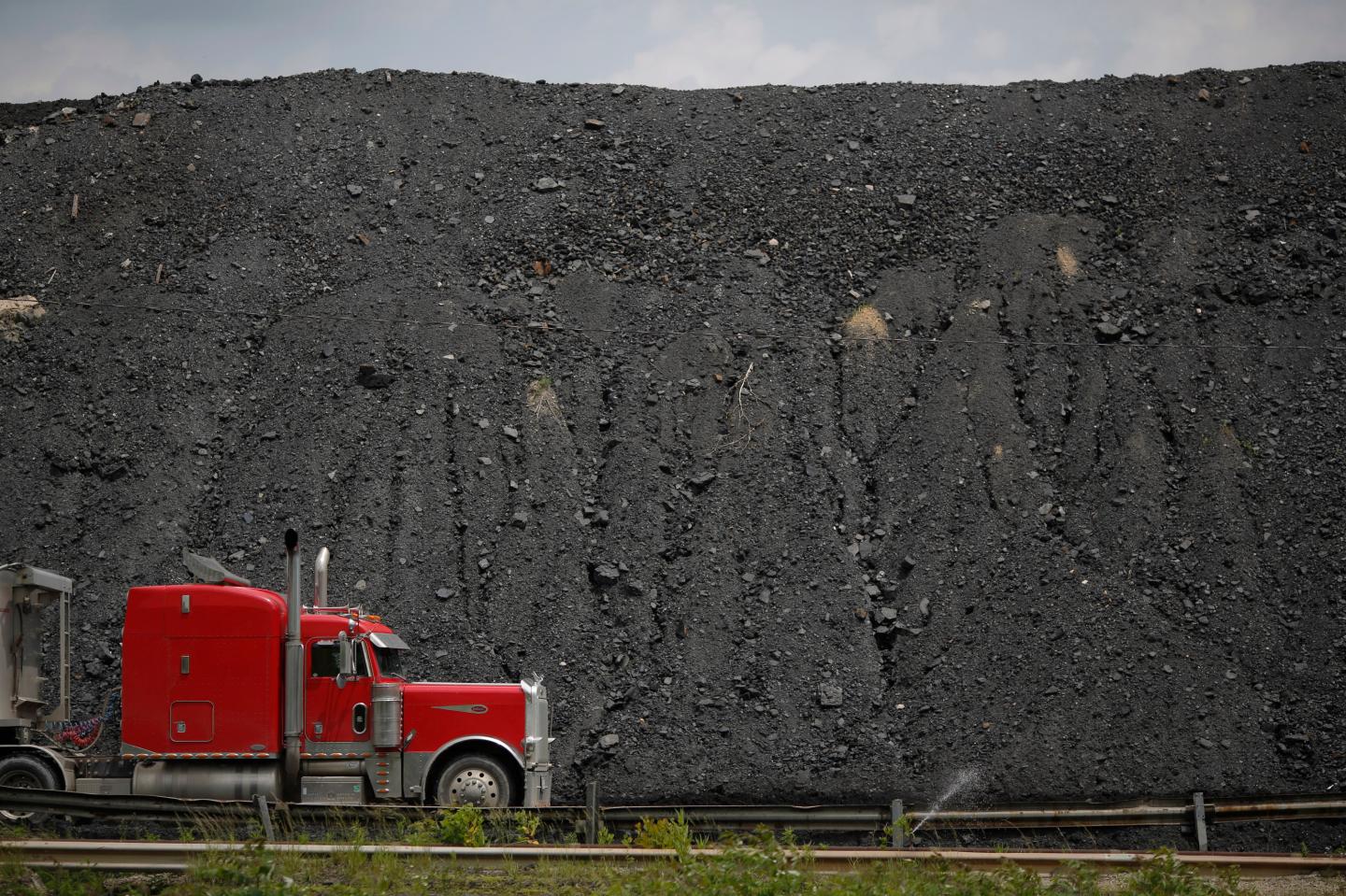
Luke Sharrett — Getty Images
Add Fortune on Google for similar content.

The Environmental Protection Agency’s proposed regulations to reduce carbon emissions are generating heated debate about climate change. But one thing is clear: companies need to do much more to explain to investors the climate-related risks they face and how they are managing them.

Extreme weather events appear to be getting more severe and more frequent, as the recent drought in California and floods in Europe reminded us. Weather events accounted for 90% of natural catastrophe losses in 2013, causing over $120 billion of losses, according to reinsurance company Munich Re. In 2012, the overall effect of climate events on the US and European economies is estimated at more than $5 trillion for each region, or over 30% of their GDP.

The investment community – along with regulators – has woken up to this threat. It is demanding more information from companies about their exposure to climate events, as well as the prospective cost of their carbon emissions.

A wide range of businesses – not just insurers and carbon intensive corporations – are being pressed to demonstrate how they are managing these long-term issues. Their future cost of capital will in part hinge on the answers they give.

Unfortunately, too many businesses still provide investors and other stakeholders only a partial picture of the risks they face. And they offer an incomplete explanation of how they are mitigating these exposures.

The corporate sector is nimble at meeting growing investor demand for environmentally-friendly assets. Private sector companies’ issuance of green bonds, which fund environmentally beneficial capital investment, is growing rapidly. According to Standard & Poor’s, it is likely to double this year to around $20 billion.

However, businesses are proving much slower in providing investors with robust information about their wider climate and carbon-related risks.

Climate risk, along with the impact of carbon pricing, carries direct and indirect exposure for a company. It potentially affects its entire value chain, from production through to distribution and sales. Floods and blizzards disrupt suppliers and dislocate manufacturing, but they also can curb consumption.

Over the long-term, extreme weather can damage both profitability and asset valuations in unexpected ways. Companies that fail to take account of these risks may suffer significant stress and have little flexibility to manage their exposure.

Companies frequently focus on communicating their direct liability to carbon emissions regulation, notably the net cost of carbon permits they are required to hold under emissions trading schemes. These costs are important and, notwithstanding the recent decline in carbon credit prices, are likely to grow over time. But many companies ignore the – potentially much larger – costs of a carbon liability being passed down the supply chain or changing end demand for products and services.

Energy, materials, industrial and utility companies have the highest direct carbon intensity and therefore the largest regulatory exposure to emissions compliance schemes.

But the property and financial services sectors are also exposed to climate risk due to the life cycle of buildings and the nature of their long-term investments. All sectors, in fact, are affected in varying degrees, to climate and carbon risks.

Conventional financial analysis of carbon risk overlooks the “shadow liability” caused by potential carbon price liabilities from indirect exposures across the value chain.

This shadow liability is hard to analyze, as data is patchy and valuation methods vary. Inconsistent disclosure requirements around the world do not help either.

In the U.S., the SEC requires firms that file annual reports to communicate material climate change risks. In April, the European Parliament approved new rules that will require large listed firms to publish environment and social data in their reporting to investors. But this falls far short of a comprehensive and coordinated disclosure regime for companies’ overall exposure to carbon and climate risk.

Investors, meanwhile, are not standing still. They are starting to conduct their own analysis of indirect carbon price risk and its impact on corporate investment returns and credit quality.

Independent analysts who serve them are doing the same. S&P, for instance, is seeking to assess the effects of carbon price risk on a company’s creditworthiness by considering the direct and indirect impact of profitability, asset and liability valuation, and cash flow. Organizations like the international Carbon Disclosure Project are surveying companies about their environmental exposures and scoring them accordingly.

Some large companies are responding. Exxon Mobil recently became the first oil and gas producer to publish details of its climate risk exposure from stranded assets (reserves that it could not exploit if regulation is tightened). But most businesses are yet to accept that climate and carbon risks are ever more material to corporate performance and value.

Business leaders should acknowledge that climate risk and carbon liabilities are here to stay and, in all probability, set to grow. If they cannot demonstrate effective assessment and management of these short-term and long-term liabilities, their creditworthiness may suffer and their financing costs will rise.

Capital markets participants traditionally have short term horizons. But environmental change is a long-term issue that they cannot ignore. Over time, it will play an increasing role in determining both financial risk and return.

Neeraj Sahai is president of Standard & Poor’s Ratings Services.

About the Author
By Neeraj Sahai
See full bioRight Arrow Button Icon
Add Fortune on Google for similar content.

Latest in Management

Finance
Lorem ipsum dolor sit amet, consectetur adipiscing elit, sed do eiusmod tempor incididunt ut labore et dolore magna aliqua. Ut enim ad minim veniam
By Fortune Editors
October 20, 2025
Finance
Lorem ipsum dolor sit amet, consectetur adipiscing elit, sed do eiusmod tempor incididunt ut labore et dolore magna aliqua. Ut enim ad minim veniam
By Fortune Editors
October 20, 2025
Finance
Lorem ipsum dolor sit amet, consectetur adipiscing elit, sed do eiusmod tempor incididunt ut labore et dolore magna aliqua. Ut enim ad minim veniam
By Fortune Editors
October 20, 2025
Finance
Lorem ipsum dolor sit amet, consectetur adipiscing elit, sed do eiusmod tempor incididunt ut labore et dolore magna aliqua. Ut enim ad minim veniam
By Fortune Editors
October 20, 2025
Finance
Lorem ipsum dolor sit amet, consectetur adipiscing elit, sed do eiusmod tempor incididunt ut labore et dolore magna aliqua. Ut enim ad minim veniam
By Fortune Editors
October 20, 2025
Finance
Lorem ipsum dolor sit amet, consectetur adipiscing elit, sed do eiusmod tempor incididunt ut labore et dolore magna aliqua. Ut enim ad minim veniam
By Fortune Editors
October 20, 2025

Most Popular

Finance
Lorem ipsum dolor sit amet, consectetur adipiscing elit, sed do eiusmod tempor incididunt ut labore et dolore magna aliqua. Ut enim ad minim veniam
By Fortune Editors
October 20, 2025
Finance
Lorem ipsum dolor sit amet, consectetur adipiscing elit, sed do eiusmod tempor incididunt ut labore et dolore magna aliqua. Ut enim ad minim veniam
By Fortune Editors
October 20, 2025
Finance
Lorem ipsum dolor sit amet, consectetur adipiscing elit, sed do eiusmod tempor incididunt ut labore et dolore magna aliqua. Ut enim ad minim veniam
By Fortune Editors
October 20, 2025
Finance
Lorem ipsum dolor sit amet, consectetur adipiscing elit, sed do eiusmod tempor incididunt ut labore et dolore magna aliqua. Ut enim ad minim veniam
By Fortune Editors
October 20, 2025
Finance
Lorem ipsum dolor sit amet, consectetur adipiscing elit, sed do eiusmod tempor incididunt ut labore et dolore magna aliqua. Ut enim ad minim veniam
By Fortune Editors
October 20, 2025
Finance
Lorem ipsum dolor sit amet, consectetur adipiscing elit, sed do eiusmod tempor incididunt ut labore et dolore magna aliqua. Ut enim ad minim veniam
By Fortune Editors
October 20, 2025
Fortune Secondary Logo
Rankings
  • 100 Best Companies
  • Fortune 500
  • Global 500
  • Fortune 500 Europe
  • Most Powerful Women
  • World's Most Admired Companies
  • See All Rankings
  • Lists Calendar
Sections
  • Finance
  • Fortune Crypto
  • Features
  • Leadership
  • Health
  • Commentary
  • Success
  • Retail
  • Mpw
  • Tech
  • Lifestyle
  • CEO Initiative
  • Asia
  • Politics
  • Conferences
  • Europe
  • Newsletters
  • Personal Finance
  • Environment
  • Magazine
  • Education
Customer Support
  • Frequently Asked Questions
  • Customer Service Portal
  • Privacy Policy
  • Terms Of Use
  • Single Issues For Purchase
  • International Print
Commercial Services
  • Advertising
  • Fortune Brand Studio
  • Fortune Analytics
  • Fortune Conferences
  • Business Development
  • Group Subscriptions
About Us
  • About Us
  • Press Center
  • Work At Fortune
  • Terms And Conditions
  • Site Map
  • About Us
  • Press Center
  • Work At Fortune
  • Terms And Conditions
  • Site Map
  • Facebook icon
  • Twitter icon
  • LinkedIn icon
  • Instagram icon
  • TikTok icon
  • YouTube icon

Most Popular

New York City women are making up to $30,000 per month by renting out their closets to strangers
Retail
New York City women are making up to $30,000 per month by renting out their closets to strangers
By Sarah GlodekJuly 27, 2026
15 hours ago
College-educated women are snapping up the highest-earning men without college degrees, leaving the rest further behind
Economy
College-educated women are snapping up the highest-earning men without college degrees, leaving the rest further behind
By Mia OsmonbekovJuly 26, 2026
2 days ago
An 11-year-old is cleaning his neighbors' trash cans for $10 each—he now has 100K followers as teens face the worst summer job market since 1948
Success
An 11-year-old is cleaning his neighbors' trash cans for $10 each—he now has 100K followers as teens face the worst summer job market since 1948
By Orianna Rosa RoyleJuly 25, 2026
3 days ago
The millennial generation is split in 2: an older crowd with boomer-style comfort, a younger set going 'back to the early 1900s'
Real Estate
The millennial generation is split in 2: an older crowd with boomer-style comfort, a younger set going 'back to the early 1900s'
By Nick LichtenbergJuly 25, 2026
2 days ago
I've been teaching college students for decades. Most of them can no longer finish a book
Commentary
I've been teaching college students for decades. Most of them can no longer finish a book
By Austin SaratJuly 26, 2026
2 days ago
One-third of Seattle's downtown is empty: Here's how America's boomtown turned into one of the toughest places to find a job
Real Estate
One-third of Seattle's downtown is empty: Here's how America's boomtown turned into one of the toughest places to find a job
By Nick LichtenbergJuly 27, 2026
14 hours ago

© 2026 Fortune Media IP Limited. All Rights Reserved. Use of this site constitutes acceptance of our Terms of Use and Privacy Policy | CA Notice at Collection and Privacy Notice | Do Not Sell/Share My Personal Information
FORTUNE is a trademark of Fortune Media IP Limited, registered in the U.S. and other countries. FORTUNE may receive compensation for some links to products and services on this website. Offers may be subject to change without notice.