• Home
  • Latest
  • Fortune 500
  • Finance
  • Tech
  • Leadership
  • Lifestyle
  • Rankings
  • Multimedia
Finance

The data point that screams sell

Shawn Tully
By
Shawn Tully
Shawn Tully
Senior Editor-at-Large
Down Arrow Button Icon
Shawn Tully
By
Shawn Tully
Shawn Tully
Senior Editor-at-Large
Down Arrow Button Icon
June 25, 2014, 6:51 PM ET
stocks
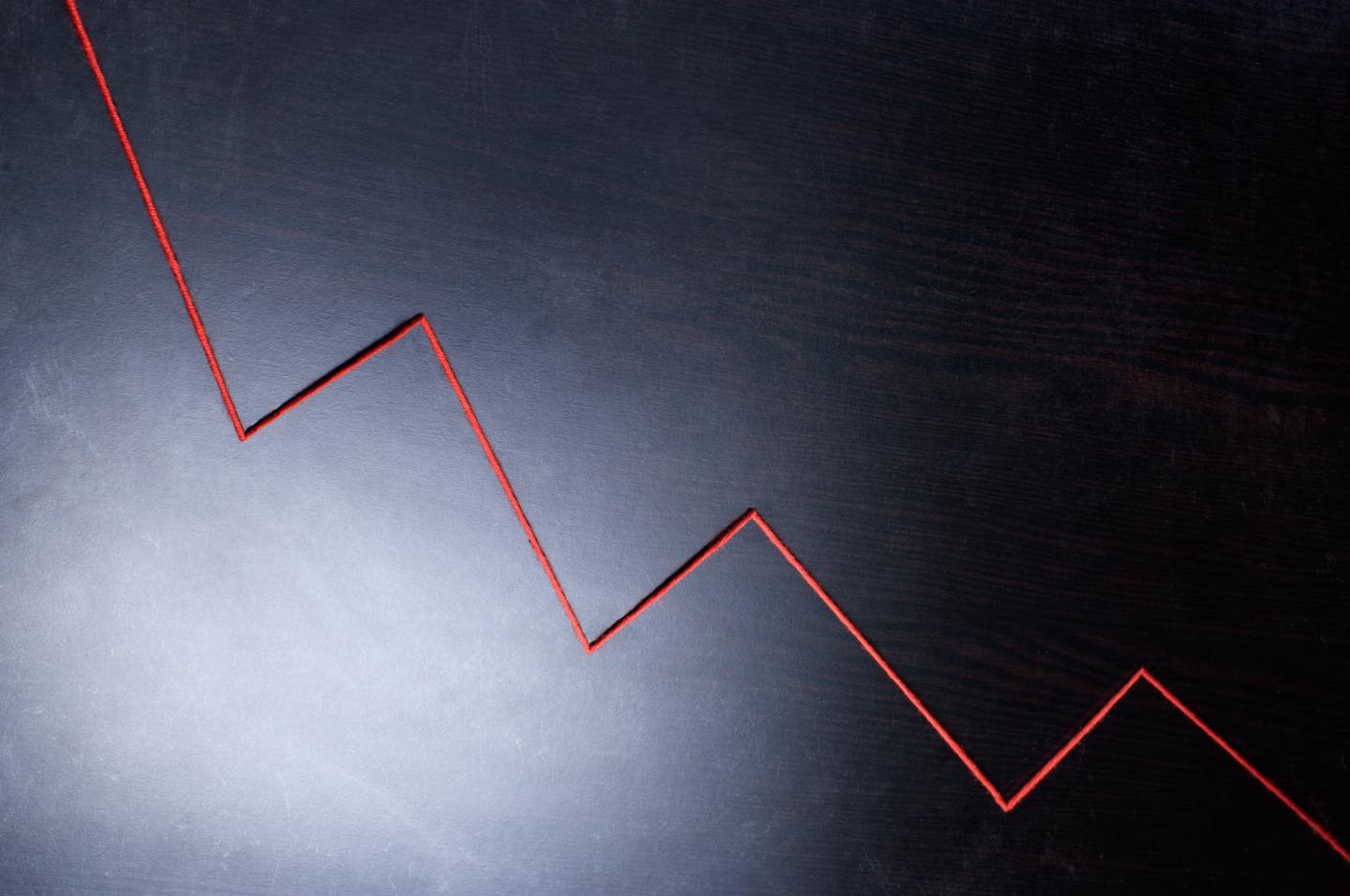
Michele Taylor pick upDaitoZen—Getty Images

The notion is so familiar that it’s become a Wall Street cliché: When interest rates are extremely low, share prices deserve rich valuations. Translation: In a time when the 10-year Treasury is 2.6%—in other words, right now—investors should dive into the market. Is it really possible that age-old “wisdom” is wrong? And not just wrong, but flat-out, ocean-going, fur-lined-disaster wrong?

The answer: Yes.

The problem with seeing it is that most everybody these days can’t see it. Witness the ever-ascending markets. I get it: that rush of upward momentum is intoxicating. On June 20, the S&P 500 established still another all-time record, closing at 1,963, and it’s hovering near that mark today. Who doesn’t want to believe? Well, the data, for one.

Take a hard look at the numbers and you’ll see they fully support the view that low rates mainly breed overblown valuations, not bargains. As incredible as it may seem, they point to a dim future for today’s investors.

The Bulls base their optimism largely on one factor that’s supposed to justify today’s valuations: low interest rates. The rates-to-the-rescue thesis comes in two flavors. The first states that the crucial yardstick for investors is comparing the yield on stocks to that on bonds to see which offers the better deal. The yield on stocks would be the earnings-to-price ratio, or E/P, the inverse of the P/E. When that exceeds the yield on the 10-year Treasury, stocks are the thing to own. Put another way, when stocks “pay” more than bonds, stocks are a bargain. Or supposed to be.

By that measure, stocks would appear to win, big time. I’ve written recently about Robert Shiller’s CAPE, or cyclically adjusted price-earnings ratio. Shiller, a 2013 Nobel laureate, developed CAPE to smooth the big swings by using a ten-year average of inflation-adjusted profits to calculate a more realistic P/E. The CAPE is now a formidable 26, far above its mid-teens average over 143 years.

Using that measure, the earnings yield of around 4% beats the 10-year Treasury yield of 2.6% by a wide margin.

We’ll come back to why that’s merely a mirage in a moment, but let’s get to the Bulls’ second argument first.

That one is more sophisticated than the stocks versus bonds rule-of-thumb. By definition, the current stock price equals the discounted present value of a company’s future cash flows. (The same rule applies to an index of stocks, such as the S&P 500.) If rates fall, then so does the discount rate. So far so good. The pundits then take the “discounted present value” model a step farther. They reckon that a decline in the discount rate automatically raises the value of every dollar of future earnings, swelling multiples for supposedly valid reasons. Ergo, low rates justify high P/Es.

It’s math, and it’s obvious. So why don’t the doubters like me get it?

The problem with both of these justifications is that low rates typically forecast low inflation. When rates and inflation are subdued, companies can barely raise prices, which means that their revenues, and earnings, advance at an unusually slow pace. (Price increases on software, groceries and everything else companies sell are inflation.) Hence, the slowdown in the growth of profits counteracts the fall in rates that’s anticipating that slowdown. It’s a wash, not a springboard.

Cliff Asness, co-founder of asset manager AQR Capital, who received his Ph.D. from the University of Chicago under Eugene Fama, the legendary economist who shared the Nobel with Shiller, refutes the standard justification in a paper he authored for The Journal of Portfolio Management in 2003. Here’s how he summarizes the way this false theory is routinely presented: “’You have to understand––stocks might look expensive, but that is fine because interest rates and inflation are low.’ Or so the refrain goes.”

The Asness view isn’t based just on theory, but on hard data. In his 2003 study, entitled “Fight the Fed Model” (which refers to the misleading practice of comparing bond and stock yields), Asness examines how different interest rate environments from 1965 to 2001 influence returns. He takes the 10-year bond rates at the end of every month over those 36 years, and sorts those dates into five categories. In the first bucket are the times where rates are extremely low—those dates comprise the first and lowest rate quintile. In the last bucket are the one-fifth of the months when rates ended at their highest levels.

The study then measures total returns in two directions, past and future. Let’s look at the results for periods like the present, when rates are unusually low. Asness calculates returns over the decade that preceded the low-rate periods, and then, for the ten years that followed––in other words, first how investors fared over a stretch that (typically) went from high rates to low rates, and second, the reverse. The results illustrate perhaps the greatest paradox in equity markets.

Investors do indeed use the level of rates to determine how much they’ll pay for stocks. When rates are low, P/Es are almost always way above average. When rates are elevated, multiples are modest. As rates fall, P/Es soar. It doesn’t necessarily make sense, but it happens. It’s important to note that in the 11 years following the end point of the Asness study, the pattern has persisted. The towering Shiller P/E of 26 is totally consistent with today’s ultra-slim rates.

In the decade preceding the intervals of extra-low rates, investors flourished. If shareholders held stocks for a ten-year period that ended with rates in the lowest quintile, they earned over that time more than 10% annually after inflation. They’re obviously delighted about their stock performance, but that’s looking backwards. That’s money they already made. Call that rearview optimism.

What happens over the ten years that followed, when investors began in a period of very low rates?

The answer is shocking. Those who bought shares at the end of the months when rates were lowest suffered negative yearly real returns of 2% over the decade that followed. Those who bought shares when rates were highest earned 10% after inflation. So contrary to the accepted wisdom, the best time to buy stocks is when rates are extremely high, and the worst time is when they’re extremely low.

The conclusion is that falling rates raise prices in the short-term by luring over-confident investors who then overpay for stocks. That raises prices in the short-term, but eventually, the lofty prices collapse under their own weight. They are swept in momentum that’s actually at the beginning of the end rather than the end of the beginning. Investors are obsessed and intoxicated with slender yields. It doesn’t make sense, but it happens again and again.

So what does Professor Shiller think? In an interview with Aaron Trask, host of The Daily Ticker on June 25, Shiller stated that low rates “ought to explain the high CAPE, but that doesn’t mean the high CAPE isn’t a forecast of bad performance.” In other words, “explaining” big multiples isn’t the same thing as fully justifying those high prices.

What matters is how many dollars you’re paying now for today’s and tomorrow’s earnings. It’s price, not rates, that matters most. When you’re paying $26 up front for $1 of earnings, history says you’re almost certainly overpaying. The parade of record stock-market closes should be cause not for cheering, but for alarm.

About the Author
Shawn Tully
By Shawn TullySenior Editor-at-Large

Shawn Tully is a senior editor-at-large at Fortune, covering the biggest trends in business, aviation, politics, and leadership.

See full bioRight Arrow Button Icon

Latest in Finance

Finance
Lorem ipsum dolor sit amet, consectetur adipiscing elit, sed do eiusmod tempor incididunt ut labore et dolore magna aliqua. Ut enim ad minim veniam
By Fortune Editors
October 20, 2025
Finance
Lorem ipsum dolor sit amet, consectetur adipiscing elit, sed do eiusmod tempor incididunt ut labore et dolore magna aliqua. Ut enim ad minim veniam
By Fortune Editors
October 20, 2025
Finance
Lorem ipsum dolor sit amet, consectetur adipiscing elit, sed do eiusmod tempor incididunt ut labore et dolore magna aliqua. Ut enim ad minim veniam
By Fortune Editors
October 20, 2025
Finance
Lorem ipsum dolor sit amet, consectetur adipiscing elit, sed do eiusmod tempor incididunt ut labore et dolore magna aliqua. Ut enim ad minim veniam
By Fortune Editors
October 20, 2025
Finance
Lorem ipsum dolor sit amet, consectetur adipiscing elit, sed do eiusmod tempor incididunt ut labore et dolore magna aliqua. Ut enim ad minim veniam
By Fortune Editors
October 20, 2025
Finance
Lorem ipsum dolor sit amet, consectetur adipiscing elit, sed do eiusmod tempor incididunt ut labore et dolore magna aliqua. Ut enim ad minim veniam
By Fortune Editors
October 20, 2025

Most Popular

Finance
Lorem ipsum dolor sit amet, consectetur adipiscing elit, sed do eiusmod tempor incididunt ut labore et dolore magna aliqua. Ut enim ad minim veniam
By Fortune Editors
October 20, 2025
Finance
Lorem ipsum dolor sit amet, consectetur adipiscing elit, sed do eiusmod tempor incididunt ut labore et dolore magna aliqua. Ut enim ad minim veniam
By Fortune Editors
October 20, 2025
Finance
Lorem ipsum dolor sit amet, consectetur adipiscing elit, sed do eiusmod tempor incididunt ut labore et dolore magna aliqua. Ut enim ad minim veniam
By Fortune Editors
October 20, 2025
Finance
Lorem ipsum dolor sit amet, consectetur adipiscing elit, sed do eiusmod tempor incididunt ut labore et dolore magna aliqua. Ut enim ad minim veniam
By Fortune Editors
October 20, 2025
Finance
Lorem ipsum dolor sit amet, consectetur adipiscing elit, sed do eiusmod tempor incididunt ut labore et dolore magna aliqua. Ut enim ad minim veniam
By Fortune Editors
October 20, 2025
Finance
Lorem ipsum dolor sit amet, consectetur adipiscing elit, sed do eiusmod tempor incididunt ut labore et dolore magna aliqua. Ut enim ad minim veniam
By Fortune Editors
October 20, 2025
Fortune Secondary Logo
Rankings
  • 100 Best Companies
  • Fortune 500
  • Global 500
  • Fortune 500 Europe
  • Most Powerful Women
  • World's Most Admired Companies
  • See All Rankings
  • Lists Calendar
Sections
  • Finance
  • Fortune Crypto
  • Features
  • Leadership
  • Health
  • Commentary
  • Success
  • Retail
  • Mpw
  • Tech
  • Lifestyle
  • CEO Initiative
  • Asia
  • Politics
  • Conferences
  • Europe
  • Newsletters
  • Personal Finance
  • Environment
  • Magazine
  • Education
Customer Support
  • Frequently Asked Questions
  • Customer Service Portal
  • Privacy Policy
  • Terms Of Use
  • Single Issues For Purchase
  • International Print
Commercial Services
  • Advertising
  • Fortune Brand Studio
  • Fortune Analytics
  • Fortune Conferences
  • Business Development
  • Group Subscriptions
About Us
  • About Us
  • Press Center
  • Work At Fortune
  • Terms And Conditions
  • Site Map
  • About Us
  • Press Center
  • Work At Fortune
  • Terms And Conditions
  • Site Map
  • Facebook icon
  • Twitter icon
  • LinkedIn icon
  • Instagram icon
  • Pinterest icon

Latest in Finance

Tim Cook reveals the advice he gave Apple’s next CEO: The most important decision he’ll make is ‘where he spends his time’
Big TechApple
Tim Cook reveals the advice he gave Apple’s next CEO: The most important decision he’ll make is ‘where he spends his time’
By Alexei OreskovicApril 30, 2026
3 hours ago
Moreno gestures with his hand
PoliticsU.S. Senate
A ‘no-brainer’: Senate unanimously bans members and staff from using prediction markets
By Mary Clare Jalonick and The Associated PressApril 30, 2026
6 hours ago
Kevin Warsh, nominee for chairman of the Federal Reserve.
BankingFederal Reserve
Former Fed economist raises alarm on Warsh after historically partisan vote: ‘this is not normal is going to be a theme’
By Eva RoytburgApril 30, 2026
6 hours ago
A banner depicting portraits of Iran's late Supreme Leader Ayatollah Ali Khamenei and Ayatollah Mojtaba Khamenei
PoliticsIran
Iranian supreme leader says the only place Americans belong in the Gulf is ‘at the bottom of its waters’
By Jon Gambrell, Aamer Madhani and The Associated PressApril 30, 2026
6 hours ago
Wind energy CEO says company ‘must adapt’ as Trump offers $2 billion to kill offshore wind projects
EnergyU.S. Politics
Wind energy CEO says company ‘must adapt’ as Trump offers $2 billion to kill offshore wind projects
By Marco Quiroz-GutierrezApril 30, 2026
8 hours ago
Lithium battery facility
North AmericaChina
China dominates the world’s lithium supply. The U.S. just found 328 years’ worth in its own backyard
By Jake AngeloApril 30, 2026
9 hours ago

Most Popular

Apple cofounder Ronald Wayne—whose stake would be worth up to $400 billion had he not sold it in 1976—says that at 91, he has no regrets
Success
Apple cofounder Ronald Wayne—whose stake would be worth up to $400 billion had he not sold it in 1976—says that at 91, he has no regrets
By Preston ForeApril 27, 2026
3 days ago
Google Cloud revenue is now 18% of Alphabet's business. Is this the beginning of the end of Google's search identity?
Big Tech
Google Cloud revenue is now 18% of Alphabet's business. Is this the beginning of the end of Google's search identity?
By Alexei OreskovicApril 29, 2026
1 day ago
‘The cost of compute is far beyond the costs of the employees’: Nvidia executive says right now AI is more expensive than paying human workers
AI
‘The cost of compute is far beyond the costs of the employees’: Nvidia executive says right now AI is more expensive than paying human workers
By Sasha RogelbergApril 28, 2026
3 days ago
With no end in sight, Trump considers new options in Iran war—including the ‘Dark Eagle’ hypersonic missile
Big Tech
With no end in sight, Trump considers new options in Iran war—including the ‘Dark Eagle’ hypersonic missile
By Jim EdwardsApril 30, 2026
17 hours ago
Jamie Dimon gets candid about national debt: ‘There will be a bond crisis, and then we’ll have to deal with it’
Economy
Jamie Dimon gets candid about national debt: ‘There will be a bond crisis, and then we’ll have to deal with it’
By Eleanor PringleApril 29, 2026
2 days ago
No, tariffs are not strengthening the economy
Commentary
No, tariffs are not strengthening the economy
By Alex DuranteApril 29, 2026
2 days ago

© 2026 Fortune Media IP Limited. All Rights Reserved. Use of this site constitutes acceptance of our Terms of Use and Privacy Policy | CA Notice at Collection and Privacy Notice | Do Not Sell/Share My Personal Information
FORTUNE is a trademark of Fortune Media IP Limited, registered in the U.S. and other countries. FORTUNE may receive compensation for some links to products and services on this website. Offers may be subject to change without notice.