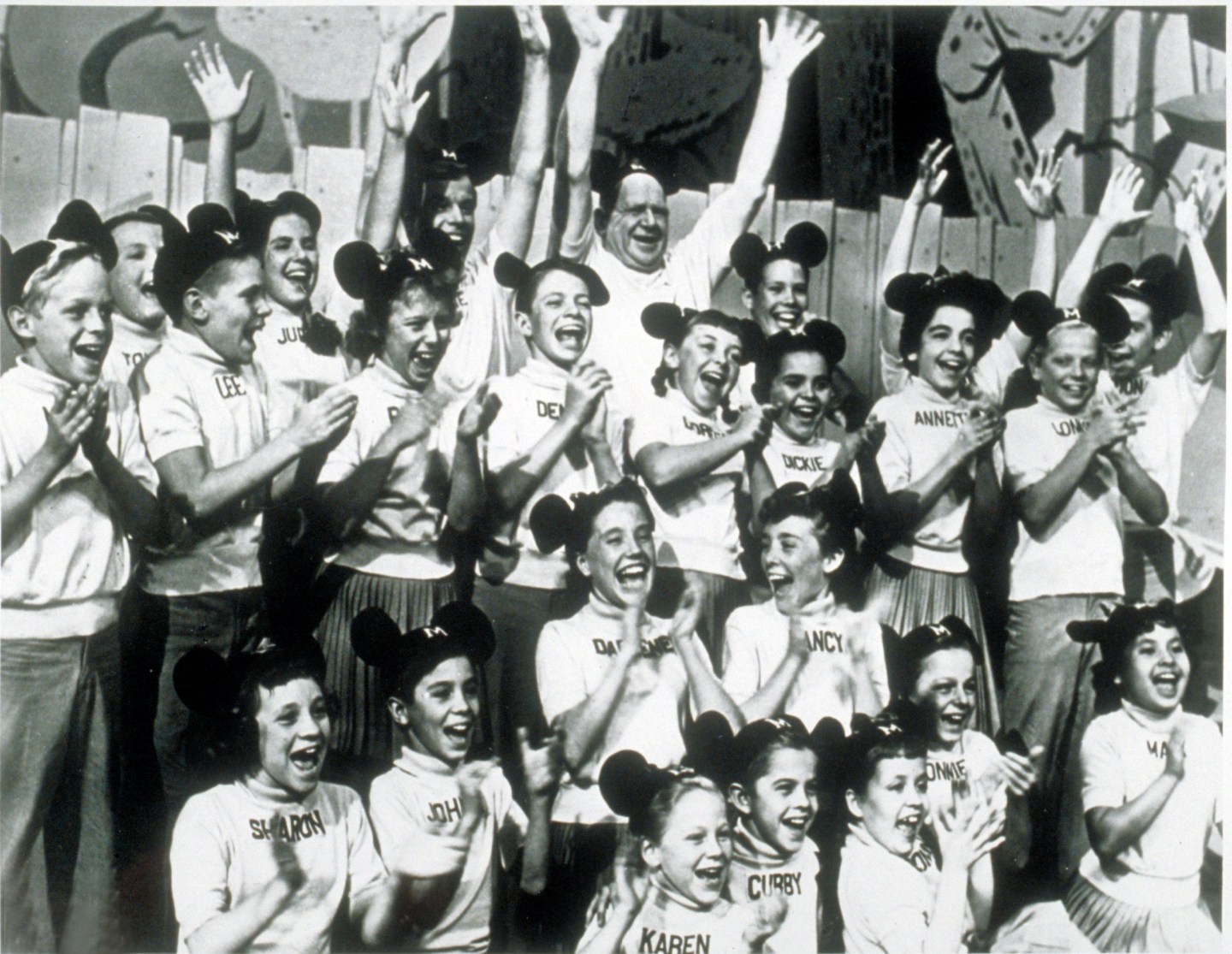
Move over, Adam Smith. The new moral champion of capitalism is Mickey Mouse.
Thanks to the Great Recession, capitalism has another PR problem. Marx is back, according to Foreign Policy. College students are demanding new courses in socialist ideology. A ponderous economics treatise advocating confiscatory taxes is a national bestseller.
Such suspicion of capitalism comes and goes with every recession. Socialist economics rises from the dead only to die again. What remains alive, each time, is Marx’s moral critique of capitalism.
Even Adam Smith claims that capitalism is a compromise with selfishness: “It is not from the benevolence of the butcher, the brewer, or the baker, that we expect our dinner, but from their regard to their own interest.” Capitalism bribes us to work for the common good. Capitalism economizes on virtue; socialism needs more virtue than we can supply.
This argument is not good enough. Market society needs to be defended on moral terms, not just on economic terms.
Oxford professor G. A. Cohen was the leading socialist thinker of the past 100 years. In his final book, Why Not Socialism? Cohen asks, would a perfectly just society be socialist or capitalist? He proposes the following test: Imagine a world full of saintly people. Whatever economic system saints would use is the only system worthy of being called “just.” Saints could (of course) make socialism work. The standard economic argument against socialism no longer applies. So, Cohen concludes, capitalism might be a good system for bad people, but socialism is the good system for good people.
Some defenders of markets dispute whether Cohen’s test is the right test. But Cohen has a point. The standard case for capitalism concedes the moral high ground to socialism. A better response is to grant socialists their test, but then show them their test doesn’t vindicate socialism.
That’s where Mickey Mouse comes in. Watch closely: The children’s CGI-animated cartoon The Mickey Mouse Clubhouse presents a morally flawless capitalist society. Minnie Mouse owns a “Bowtique”— a bow factory and store. Clarabelle Cow owns a muffin factory and sundries store. Donald Duck and Willie the Giant own farms. They live by a form of capitalism, but none of the complaints socialists have about real-life capitalism apply there. There is no exploitation, greed, fear or heartless indifference. The characters are respectful, generous and just. Yet, even though they are virtuous enough to make socialism work, they choose capitalism instead. They still find value in private property and trade. The Mickey Mouse Clubhouse shows us that while socialist utopia may be wonderful, capitalist utopia is even better.
If people were morally perfect, why would they still want private property? For Minnie Mouse, running her bow factory provides the same satisfaction a sculptor gets from shaping stone. People — and anthropomorphic animals — have ideas and visions that they want to implement. Pursuing individual projects over the long-term is part of what gives coherence and meaning to our lives. To express ourselves, develop ourselves, and craft ourselves often requires that we have sustained and exclusive control of objects over time. Socialism, even in its most idealized form, robs us of this.
If people were morally perfect, why would they still use markets? The Clubhouse characters trade value for value. They take joy in creating things others want for their own sake. They use markets not because they are selfish and uncaring, but precisely because an extended market serves the common good. The market is a network of mutual benefit. It creates background conditions of wealth, opportunity, and progress. This holds true, for the most part, even in the real world of selfish people; it holds all the more true in Mickey’s world.
In every recession, people look for alternatives to markets societies. Socialists from Michael Moore to the Wall Street Occupiers, tell us their vision of socialism is better than real-life capitalism. Maybe they are right. But that doesn’t settle anything. Defenders of market society can just borrow arguments from their socialist playbook.
The Mickey Mouse Clubhouse shows us, to our great surprise, that when we judge systems by Marxist moral standards, what emerges as the best way to live together isn’t a Marxist commune, but Clubhouse Capitalism. In the real world, capitalism, for all its terrible shortcomings, does better than socialism. But even in utopian conditions, capitalism retains the moral high ground. Capitalism beats socialism at every level.
Jason Brennan is an assistant professor of economics and public policy at Georgetown University’s McDonough School of Business and author of Why Not Capitalism?