• Home
  • Latest
  • Fortune 500
  • Finance
  • Tech
  • Leadership
  • Lifestyle
  • Rankings
  • Multimedia
RetailJC Penney

How not to channel Steve Jobs

By
Jennifer Reingold
Jennifer Reingold
Down Arrow Button Icon
By
Jennifer Reingold
Jennifer Reingold
Down Arrow Button Icon
June 17, 2014, 5:07 PM ET
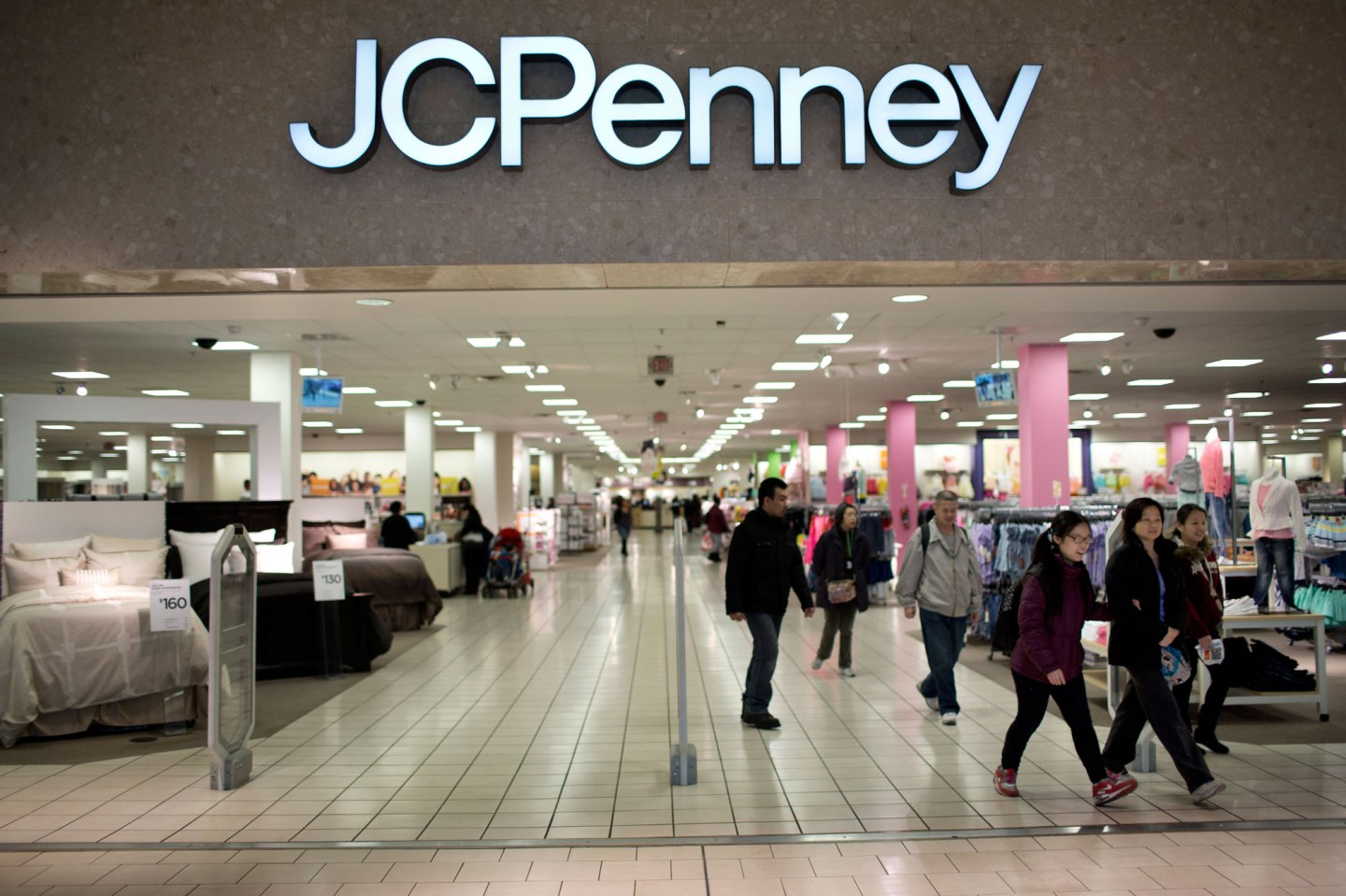
Inside J.C. Penney Ahead Of Earns & Consumer Confidence Figures
Photograph by Victor J. Blue — Bloomberg/Getty Images

On June 16, New York State Supreme Court Justice Jeffrey Oing issued a 63-page decision in which he found that retailer J.C. Penney (JCP) had committed tortious interference in its attempt to develop a Martha Stewart store inside JC Penney stores. The deal, announced in 2011 as Ron Johnson took Penney’s helm, violated the terms of a preexisting deal that Martha Stewart Living Omnimedia (MSO) had with Macy’s (M), the judge ruled. Damages will be determined by a special master or referee.

The decision surprised no one. Oing had previously issued a preliminary injunction barring Penney from building the stores and selling most of the products. The ill-fated deal was just one of the many choices that contributed to Johnson’s ultimate failure.

The decision also sheds light on how closely Johnson’s own approach to management hewed to the “reality distortion field” made famous by his prior boss and mentor, Steve Jobs—and, more important—how infrequently such an approach can succeed outside of Apple.

When Johnson took the helm at J.C. Penney, he brought with him a strong belief that his Apple experience—he built the company’s stores, now the most profitable retail group in the country—would be a huge plus. So did Penney’s board of directors; indeed, it was the main reason he was selected. Johnson held a coming out party eerily reminiscent of Jobs’ MacWorld events; he added a clean, white aesthetic to the company’s branding and logo; he hired several Apple veterans; and he talked constantly about his closeness to Jobs and the Apple way of doing things.

Jobs was rightfully lionized as a creative genius, but he was also a fiercely competitive leader who simply could not bear to lose. That ferocity—plus a force of will that could convince just about anyone of anything—was referred to by people around him as his “reality distortion” field. And it is this trait that we see Johnson emulating in his attempt to convince the world that Penney was not, in fact, infringing upon Macy’s earlier agreement with Martha Stewart’s company.

The emails presented as evidence in the case show a leader who had already convinced himself that he had won—regardless of the fact that even his own counsel worried about the deal’s legality. As Johnson wrote in an email to Daniel Walker, an Apple retail veteran he had hired at Penney: “I’m feeling awesome about grand strategy. I need to pull off Martha. I need to propose a deal so she can go to Terry [Lundgren] at Macy’s and break their agreement. That is the only issue in way of success at this point.” Johnson suggested, with some glee, that Lundgren would probably “have a headache,” when he heard about the JCP deal, one that would soon develop into a “full on migraine.”

The judge was clearly astonished by Johnson’s reaction after Martha Stewart announced to Lundgren that she had signed on with Penney. “Incredibly,” the judge wrote, “ignoring the seriousness of what had just transpired, Mr. Johnson wrote to [board member] William Ackman: ‘Media good as well. We put Terry in a corner. Normally when that happens and you get someone on the defensive they make bad decisions. This is good.’ And to board member Steven Roth, he wrote ‘…the more this is seen as brilliant for JCP and Martha the more he won’t want to interfere…’”

In fact, the opposite became true as a result of the company’s cavalier attitude, Oing observed. “Unbeknownst to Mr. Lundgren and Macy’s, Mr. Johnson’s attitude towards them with respect to JCP’s budding relationship with MSLO was take it or leave it. Mr. Johnson aptly described the scene as making JCP’s ‘offensive so strong’ that Macy’s would ‘simply pick up their toys and go home.’ JCP and Mr. Johnson could not have been more wrong.”

It is axiomatic that leaders must believe that they have made the right decisions. But as this case shows, believing that they are right does not make it so—no matter what Steve Jobs would have said.


About the Author
By Jennifer Reingold
See full bioRight Arrow Button Icon

Latest in Retail

millennial
CommentaryConsumer Spending
Meet the 2025 holiday white whale: the millennial dad spending $500+ per kid
By Phillip GoerickeDecember 12, 2025
1 day ago
McDonald
RetailRetail
Lululemon CEO Calvin McDonald to step down as quarterly profit dips 13%
By Anne D'Innocenzio and The Associated PressDecember 12, 2025
1 day ago
Sarandos
CommentaryAntitrust
Netflix, Warner, Paramount and antitrust: Entertainment megadeal’s outcome must follow the evidence, not politics or fear of integration
By Satya MararDecember 12, 2025
1 day ago
InvestingMarkets
Retail investors drive stocks to a pre-Christmas all-time high—and Wall Street sees a moment to sell
By Jim EdwardsDecember 12, 2025
1 day ago
Five panelists seated; two women and five men.
AIBrainstorm AI
The race to deploy an AI workforce faces one important trust gap: What happens when an agent goes rogue?
By Amanda GerutDecember 11, 2025
2 days ago
Oreo
RetailFood and drink
Zero-sugar Oreos headed to America for first time
By Dee-Ann Durbin and The Associated PressDecember 11, 2025
2 days ago

Most Popular

placeholder alt text
Economy
Tariffs are taxes and they were used to finance the federal government until the 1913 income tax. A top economist breaks it down
By Kent JonesDecember 12, 2025
1 day ago
placeholder alt text
Success
Apple cofounder Ronald Wayne sold his 10% stake for $800 in 1976—today it’d be worth up to $400 billion
By Preston ForeDecember 12, 2025
1 day ago
placeholder alt text
Success
40% of Stanford undergrads receive disability accommodations—but it’s become a college-wide phenomenon as Gen Z try to succeed in the current climate
By Preston ForeDecember 12, 2025
24 hours ago
placeholder alt text
Economy
For the first time since Trump’s tariff rollout, import tax revenue has fallen, threatening his lofty plans to slash the $38 trillion national debt
By Sasha RogelbergDecember 12, 2025
20 hours ago
placeholder alt text
Economy
The Fed just ‘Trump-proofed’ itself with a unanimous move to preempt a potential leadership shake-up
By Jason MaDecember 12, 2025
18 hours ago
placeholder alt text
Success
At 18, doctors gave him three hours to live. He played video games from his hospital bed—and now, he’s built a $10 million-a-year video game studio
By Preston ForeDecember 10, 2025
3 days ago
Rankings
  • 100 Best Companies
  • Fortune 500
  • Global 500
  • Fortune 500 Europe
  • Most Powerful Women
  • Future 50
  • World’s Most Admired Companies
  • See All Rankings
Sections
  • Finance
  • Leadership
  • Success
  • Tech
  • Asia
  • Europe
  • Environment
  • Fortune Crypto
  • Health
  • Retail
  • Lifestyle
  • Politics
  • Newsletters
  • Magazine
  • Features
  • Commentary
  • Mpw
  • CEO Initiative
  • Conferences
  • Personal Finance
  • Education
Customer Support
  • Frequently Asked Questions
  • Customer Service Portal
  • Privacy Policy
  • Terms Of Use
  • Single Issues For Purchase
  • International Print
Commercial Services
  • Advertising
  • Fortune Brand Studio
  • Fortune Analytics
  • Fortune Conferences
  • Business Development
About Us
  • About Us
  • Editorial Calendar
  • Press Center
  • Work At Fortune
  • Diversity And Inclusion
  • Terms And Conditions
  • Site Map

© 2025 Fortune Media IP Limited. All Rights Reserved. Use of this site constitutes acceptance of our Terms of Use and Privacy Policy | CA Notice at Collection and Privacy Notice | Do Not Sell/Share My Personal Information
FORTUNE is a trademark of Fortune Media IP Limited, registered in the U.S. and other countries. FORTUNE may receive compensation for some links to products and services on this website. Offers may be subject to change without notice.