• Home
  • Latest
  • Fortune 500
  • Finance
  • Tech
  • Leadership
  • Lifestyle
  • Rankings
  • Multimedia
Retail

What Panera’s move to ‘clean ingredients’ reveals about eating today

By
Beth Kowitt
Beth Kowitt
Down Arrow Button Icon
By
Beth Kowitt
Beth Kowitt
Down Arrow Button Icon
June 3, 2014, 10:49 AM ET
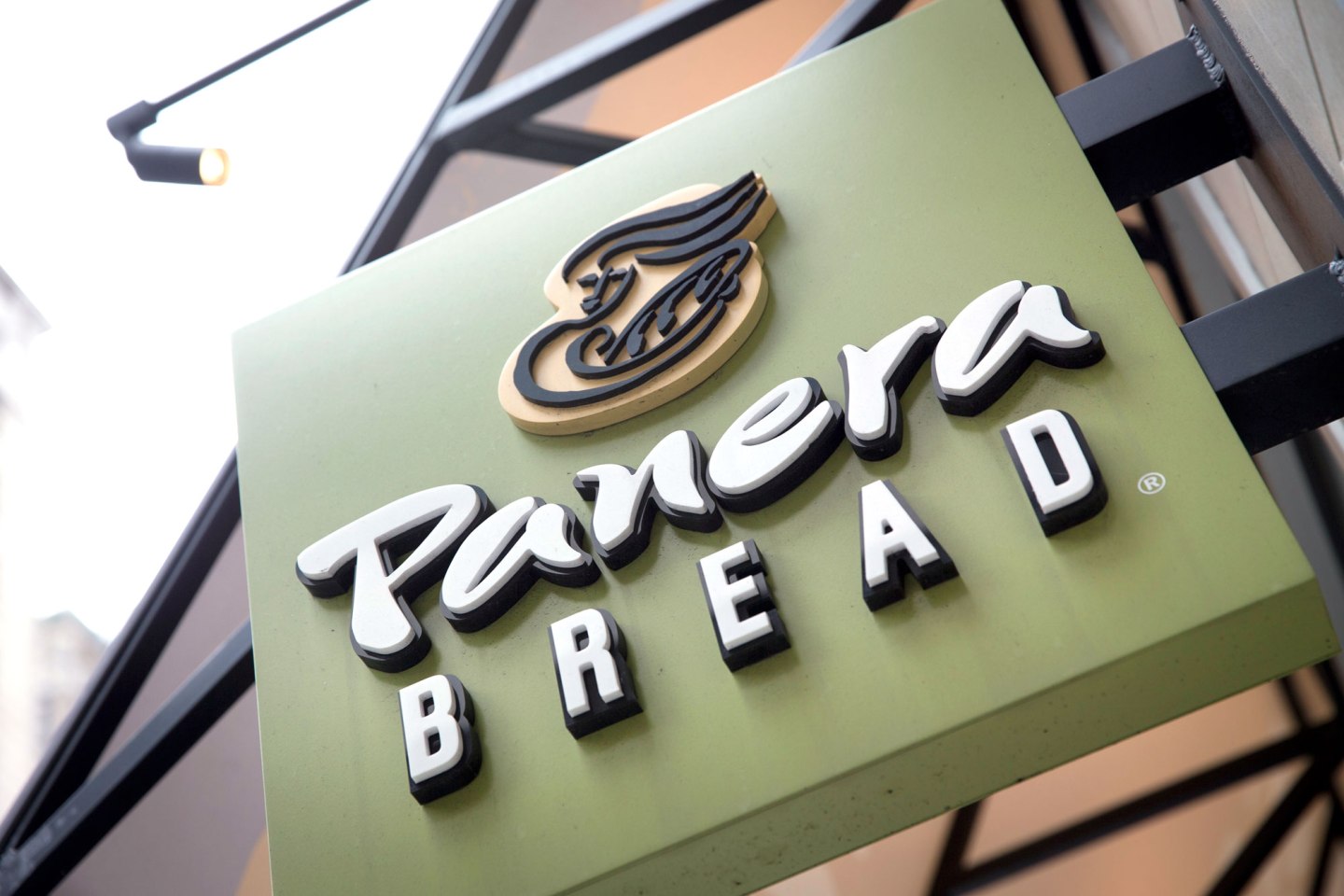
Views Of Panera Bread Co. Ahead Of Earns Figures
Photo: Scot Eells/Bloomberg—Getty Images

Restaurant chain Panera Bread (PNRA) announced a new food policy today—one that commits to what the company is calling “clean ingredients.” As part of the initiative, the chain will remove artificial colors, sweeteners, flavors, and preservatives from its food by 2016. Clean ingredients mean those you “don’t need a dictionary to understand,” says Panera CEO Ron Shaich.

Panera has already removed artificial trans fats from its menu on all but one item (the Cobblestone muffin, which is being reformulated), and all of the restaurant chain’s chicken, roasted turkey, sausage, and ham are raised without the use of antibiotics. The company has looked at antibiotic-free beef but says there currently isn’t a supplier that can handle its volume.

When it comes down to it, Panera’s food policy is about health—and how what we mean when we talk about health is changing. The fact that the 12th largest restaurant chain in the U.S. by sales is taking these steps is just the latest sign that we’ve moved toward a mainstream definition of healthy eating that is not simply about fat and calories but increasingly focused on where foods come from.

A recent survey by industry research firm Technomic found that natural, unprocessed, sustainable, and local offerings at restaurants are often more important to consumers than traditional health claims like “low fat” and “low calorie.” This is especially the case for millennials and Gen-Xers. (Boomers still care more about traditional health claims than their younger cohorts, according to the survey.)

Take Chipotle (CMG), which is known for its burritos, which can top 1,000 calories and 50 grams of fat. Frequenters of the chain often argue that they’re making a healthy decision, despite the caloric price tag, because of its “Food with Integrity” campaign, which touts its meat raised without hormones and antibiotics when possible and local and organic produce when practical.

NPD Group’s Harry Balzer says that people today aren’t any more health conscious than they were in 1978 when he started tracking what people eat. In fact having salad as a main dish at a restaurant peaked in 1989 (10% of all lunches and dinners), Balzer says. We’re now down to about 5%.

What we consider good for us changes as we are faced with ever-evolving science, not to mention speculation and constant fads. Of late, for example, a book entitled “The Big Fat Surprise: Why Butter, Meat and Cheese Belong in a Healthy Diet”—which contradicts the previous doctrine on the alleged evils of fat—has appeared on the New York Times bestseller list.

Exacerbating the confusion for consumers is that we don’t see an instant impact of anything we do that’s healthy, whether it’s cutting calories or eating organic, Balzer says. The Nutritional Information Labeling Act of 1985 represented our desire to identify things we wanted removed from our meals: fat, sodium, and cholesterol. The 2000s were about adding beneficial things like whole grains, Omega-3s, and antioxidants. Now we are in the middle of what Balzer calls the free movement—GMO-free or antibiotic-free—focusing on the purity of the ingredients. (Panera CEO Shaich tells Fortune he supports GMO labeling.)

“The way we serve our shareholders is to figure out what’s going to matter,” Shaich says, “and I fundamentally believe nutrition, how you eat, and wellness are powerful themes. They’re present. You can see it.”


About the Author
By Beth Kowitt
LinkedIn iconTwitter icon
See full bioRight Arrow Button Icon

Latest in Retail

millennial
CommentaryConsumer Spending
Meet the 2025 holiday white whale: the millennial dad spending $500+ per kid
By Phillip GoerickeDecember 12, 2025
9 hours ago
McDonald
RetailRetail
Lululemon CEO Calvin McDonald to step down as quarterly profit dips 13%
By Anne D'Innocenzio and The Associated PressDecember 12, 2025
10 hours ago
Sarandos
CommentaryAntitrust
Netflix, Warner, Paramount and antitrust: Entertainment megadeal’s outcome must follow the evidence, not politics or fear of integration
By Satya MararDecember 12, 2025
10 hours ago
InvestingMarkets
Retail investors drive stocks to a pre-Christmas all-time high—and Wall Street sees a moment to sell
By Jim EdwardsDecember 12, 2025
11 hours ago
Five panelists seated; two women and five men.
AIBrainstorm AI
The race to deploy an AI workforce faces one important trust gap: What happens when an agent goes rogue?
By Amanda GerutDecember 11, 2025
1 day ago
Oreo
RetailFood and drink
Zero-sugar Oreos headed to America for first time
By Dee-Ann Durbin and The Associated PressDecember 11, 2025
1 day ago

Most Popular

placeholder alt text
Economy
Tariffs are taxes and they were used to finance the federal government until the 1913 income tax. A top economist breaks it down
By Kent JonesDecember 12, 2025
12 hours ago
placeholder alt text
Success
At 18, doctors gave him three hours to live. He played video games from his hospital bed—and now, he’s built a $10 million-a-year video game studio
By Preston ForeDecember 10, 2025
3 days ago
placeholder alt text
Success
Palantir cofounder calls elite college undergrads a ‘loser generation’ as data reveals rise in students seeking support for disabilities, like ADHD
By Preston ForeDecember 11, 2025
1 day ago
placeholder alt text
Arts & Entertainment
'We're not just going to want to be fed AI slop for 16 hours a day': Analyst sees Disney/OpenAI deal as a dividing line in entertainment history
By Nick LichtenbergDecember 11, 2025
1 day ago
placeholder alt text
Uncategorized
Transforming customer support through intelligent AI operations
By Lauren ChomiukNovember 26, 2025
16 days ago
placeholder alt text
Economy
‘We have not seen this rosy picture’: ADP’s chief economist warns the real economy is pretty different from Wall Street’s bullish outlook
By Eleanor PringleDecember 11, 2025
2 days ago
Rankings
  • 100 Best Companies
  • Fortune 500
  • Global 500
  • Fortune 500 Europe
  • Most Powerful Women
  • Future 50
  • World’s Most Admired Companies
  • See All Rankings
Sections
  • Finance
  • Leadership
  • Success
  • Tech
  • Asia
  • Europe
  • Environment
  • Fortune Crypto
  • Health
  • Retail
  • Lifestyle
  • Politics
  • Newsletters
  • Magazine
  • Features
  • Commentary
  • Mpw
  • CEO Initiative
  • Conferences
  • Personal Finance
  • Education
Customer Support
  • Frequently Asked Questions
  • Customer Service Portal
  • Privacy Policy
  • Terms Of Use
  • Single Issues For Purchase
  • International Print
Commercial Services
  • Advertising
  • Fortune Brand Studio
  • Fortune Analytics
  • Fortune Conferences
  • Business Development
About Us
  • About Us
  • Editorial Calendar
  • Press Center
  • Work At Fortune
  • Diversity And Inclusion
  • Terms And Conditions
  • Site Map

© 2025 Fortune Media IP Limited. All Rights Reserved. Use of this site constitutes acceptance of our Terms of Use and Privacy Policy | CA Notice at Collection and Privacy Notice | Do Not Sell/Share My Personal Information
FORTUNE is a trademark of Fortune Media IP Limited, registered in the U.S. and other countries. FORTUNE may receive compensation for some links to products and services on this website. Offers may be subject to change without notice.