• Home
  • News
  • Fortune 500
  • Tech
  • Finance
  • Leadership
  • Lifestyle
  • Rankings
  • Multimedia
Commentary

This Economic Bubble Is Going to Wreak Havoc When It Bursts

By
Jim Rogers
Jim Rogers
and
Robert Craig Baum
Robert Craig Baum
Down Arrow Button Icon
By
Jim Rogers
Jim Rogers
and
Robert Craig Baum
Robert Craig Baum
Down Arrow Button Icon
July 10, 2017, 1:51 PM ET

An imminent economic crisis the likes of which this generation has never experienced is coming. However, the conditions under which the next bubble will burst will surprise even the most astute observers of economy, culture, and politics. The higher education bubble (one-sixth of the U.S. economy) will likely burst with the force of all previous catastrophes combined—a shock wave so sudden, so large, that it gathers the full force of the savings and loan, insurance, energy, tech, and mortgage crashes, creating a blockbuster-level perfect storm.

Disturbing patterns of unsustainable economic activity have emerged over the last decade. College and university budgets rely on inflated real estate investment, deny the short- and long-term effects of student loan defaults, accept the rise in tuition above the rate of inflation as normal, and expect a downsized part-time faculty to help subsidize inflated tenure track and endowed tenure budgetary lines. The insatiable upper administrative appetite for high salaries, job description absurdity, and low accountability adds endless layers of compulsive, prideful incompetence to an already unstable education business model that believes it simply cannot crash.

While higher education is not a business in the same way for-profit corporations are, a business plan rooted in reality remains essential to its success. Reality, however, seems an ongoing elusive concept to college administrators. Dormitories and sports facilities are funded regardless of flat enrollment rates. The mission of imparting knowledge to students (the service for which parents and students pay dearly) is shunted off to ill-paid adjunct faculty with no skin in the game. Students poorly equipped for real-world opportunities are unable to repay student loans, let alone become alumni willing and able to support their alma mater. How long until higher education’s customer base realizes the expense is no longer worth it?

Without dramatic and immediate changes in the higher education sector, broader economies that support third-tier learning will fail along with it: People in the community employed by the college will lose their jobs; commercial activity geared toward the student population will fail; and investment in real estate for student housing will no longer have its expected return.

We call for a return to the teaching and innovation mission of the American university. We need a well-educated, resilient, adaptable, and entrepreneurial graduate to meet the needs of a new “gig” economy, which includes coding, plumbing, elder care, sociology, food service, and hotel management. We demand higher educators meet the market and personal demands of the new student body.

And while the teaching model will necessarily be heavily invested in digital knowledge, we must look to a very old style of teaching. The system of tenured professors more interested in research than in imparting knowledge, buttressed by overworked and precariously employed adjunct faculty, does nothing to stabilize a higher education community. An apprentice/mentor system grounded in a proficiency model charged with technical, academic, and professional skill development and critical thinking objectives will revolutionize higher education.

We want our colleagues to focus on imparting the empathy that comes from interaction with other people, cultures, works of literature, and art, as well as the concrete and necessary skills for success in the post-college world of production, innovation, and hands-on work. We can deliver this high level of education while modeling what it means to have a true plan for paying for what is necessary. What better lesson could the American college graduate take with them into the working world?

Jim Rogers is an American businessman, investor, traveler, financial commentator, and author. Robert Craig Baum is the former academic dean of Lebanon College; a writer, publisher, and producer; and contributor to www.precaricorps.org.

About the Authors
By Jim Rogers
See full bioRight Arrow Button Icon
By Robert Craig Baum
See full bioRight Arrow Button Icon

Latest in Commentary

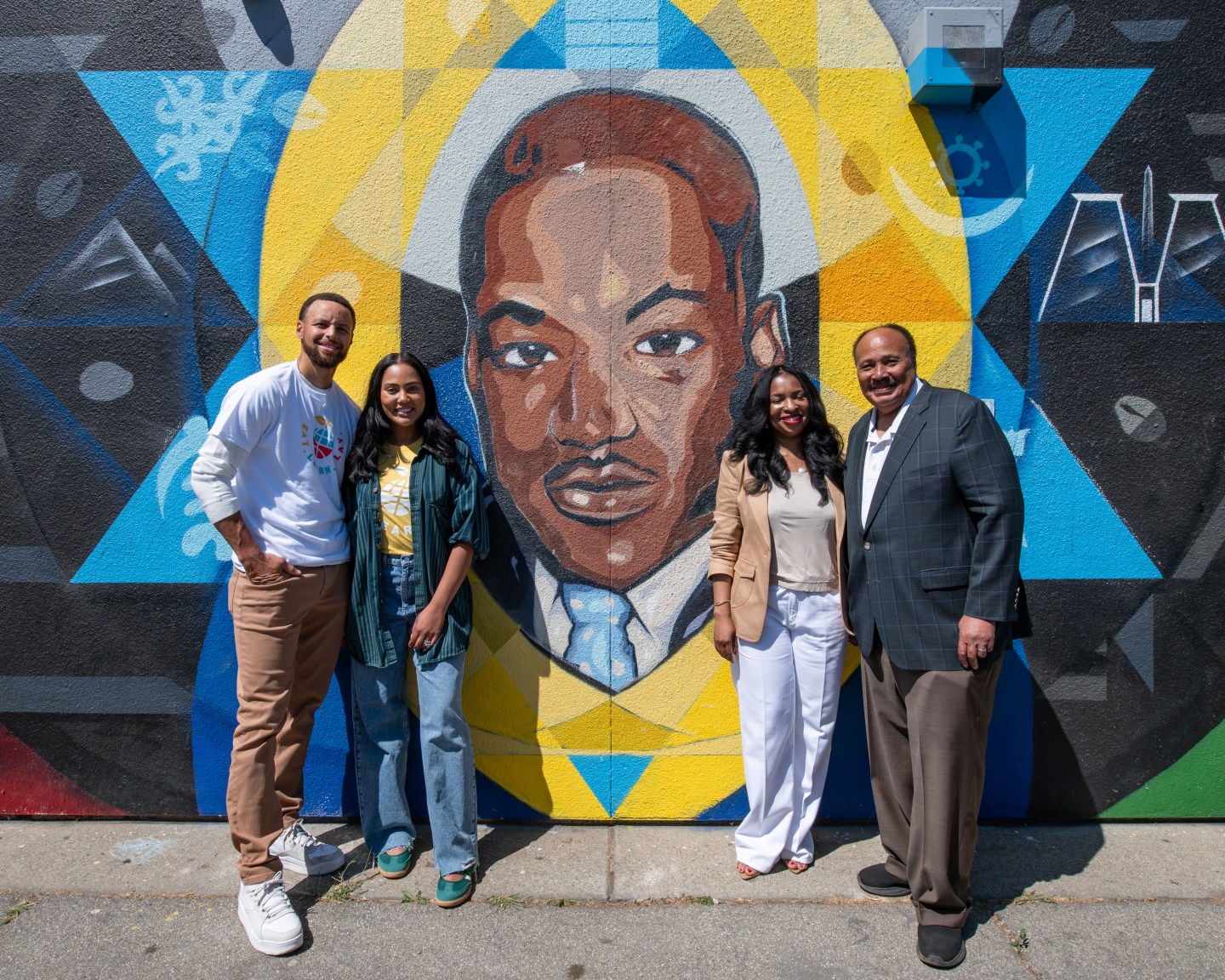
Ayesha and Stephen Curry (L) and Arndrea Waters King and Martin Luther King III (R), who are behind Eat.Play.Learn and Realize the Dream, respectively.
Commentaryphilanthropy
Why time is becoming the new currency of giving
By Arndrea Waters King and Ayesha CurryDecember 2, 2025
2 hours ago
Trump
CommentaryTariffs and trade
The trade war was never going to fix our deficit
By Daniel BunnDecember 2, 2025
4 hours ago
Elizabeth Kelly
CommentaryNon-Profit
At Anthropic, we believe that AI can increase nonprofit capacity. And we’ve worked with over 100 organizations so far on getting it right
By Elizabeth KellyDecember 2, 2025
5 hours ago
Decapitation
CommentaryLeadership
Decapitated by activists: the collapse of CEO tenure and how to fight back
By Mark ThompsonDecember 2, 2025
5 hours ago
David Risher
Commentaryphilanthropy
Lyft CEO: This Giving Tuesday, I’m matching every rider’s donation
By David RisherDecember 1, 2025
1 day ago
college
CommentaryTech
Colleges risk getting it backwards on AI and they may be hurting Gen Z job searchers
By Sarah HoffmanDecember 1, 2025
1 day ago

Most Popular

placeholder alt text
Economy
Ford workers told their CEO 'none of the young people want to work here.' So Jim Farley took a page out of the founder's playbook
By Sasha RogelbergNovember 28, 2025
4 days ago
placeholder alt text
Success
Warren Buffett used to give his family $10,000 each at Christmas—but when he saw how fast they were spending it, he started buying them shares instead
By Eleanor PringleDecember 2, 2025
8 hours ago
placeholder alt text
Success
Forget the four-day workweek, Elon Musk predicts you won't have to work at all in ‘less than 20 years'
By Jessica CoacciDecember 1, 2025
1 day ago
placeholder alt text
Innovation
Google CEO Sundar Pichai says we’re just a decade away from a new normal of extraterrestrial data centers
By Sasha RogelbergDecember 1, 2025
1 day ago
placeholder alt text
Personal Finance
Current price of gold as of December 1, 2025
By Danny BakstDecember 1, 2025
1 day ago
placeholder alt text
Big Tech
Elon Musk, fresh off securing a $1 trillion pay package, says philanthropy is 'very hard'
By Sydney LakeDecember 1, 2025
1 day ago
Rankings
  • 100 Best Companies
  • Fortune 500
  • Global 500
  • Fortune 500 Europe
  • Most Powerful Women
  • Future 50
  • World’s Most Admired Companies
  • See All Rankings
Sections
  • Finance
  • Leadership
  • Success
  • Tech
  • Asia
  • Europe
  • Environment
  • Fortune Crypto
  • Health
  • Retail
  • Lifestyle
  • Politics
  • Newsletters
  • Magazine
  • Features
  • Commentary
  • Mpw
  • CEO Initiative
  • Conferences
  • Personal Finance
  • Education
Customer Support
  • Frequently Asked Questions
  • Customer Service Portal
  • Privacy Policy
  • Terms Of Use
  • Single Issues For Purchase
  • International Print
Commercial Services
  • Advertising
  • Fortune Brand Studio
  • Fortune Analytics
  • Fortune Conferences
  • Business Development
About Us
  • About Us
  • Editorial Calendar
  • Press Center
  • Work At Fortune
  • Diversity And Inclusion
  • Terms And Conditions
  • Site Map

© 2025 Fortune Media IP Limited. All Rights Reserved. Use of this site constitutes acceptance of our Terms of Use and Privacy Policy | CA Notice at Collection and Privacy Notice | Do Not Sell/Share My Personal Information
FORTUNE is a trademark of Fortune Media IP Limited, registered in the U.S. and other countries. FORTUNE may receive compensation for some links to products and services on this website. Offers may be subject to change without notice.