• Home
  • News
  • Fortune 500
  • Tech
  • Finance
  • Leadership
  • Lifestyle
  • Rankings
  • Multimedia
TechWeWork

WeWork’s Latest Deal Brings a Lot More Co-Working Space to China

By
Kia Kokalitcheva
Kia Kokalitcheva
Down Arrow Button Icon
By
Kia Kokalitcheva
Kia Kokalitcheva
Down Arrow Button Icon
November 17, 2016, 12:00 AM ET
US-IT-SECTOR-TREND-STARTUPS
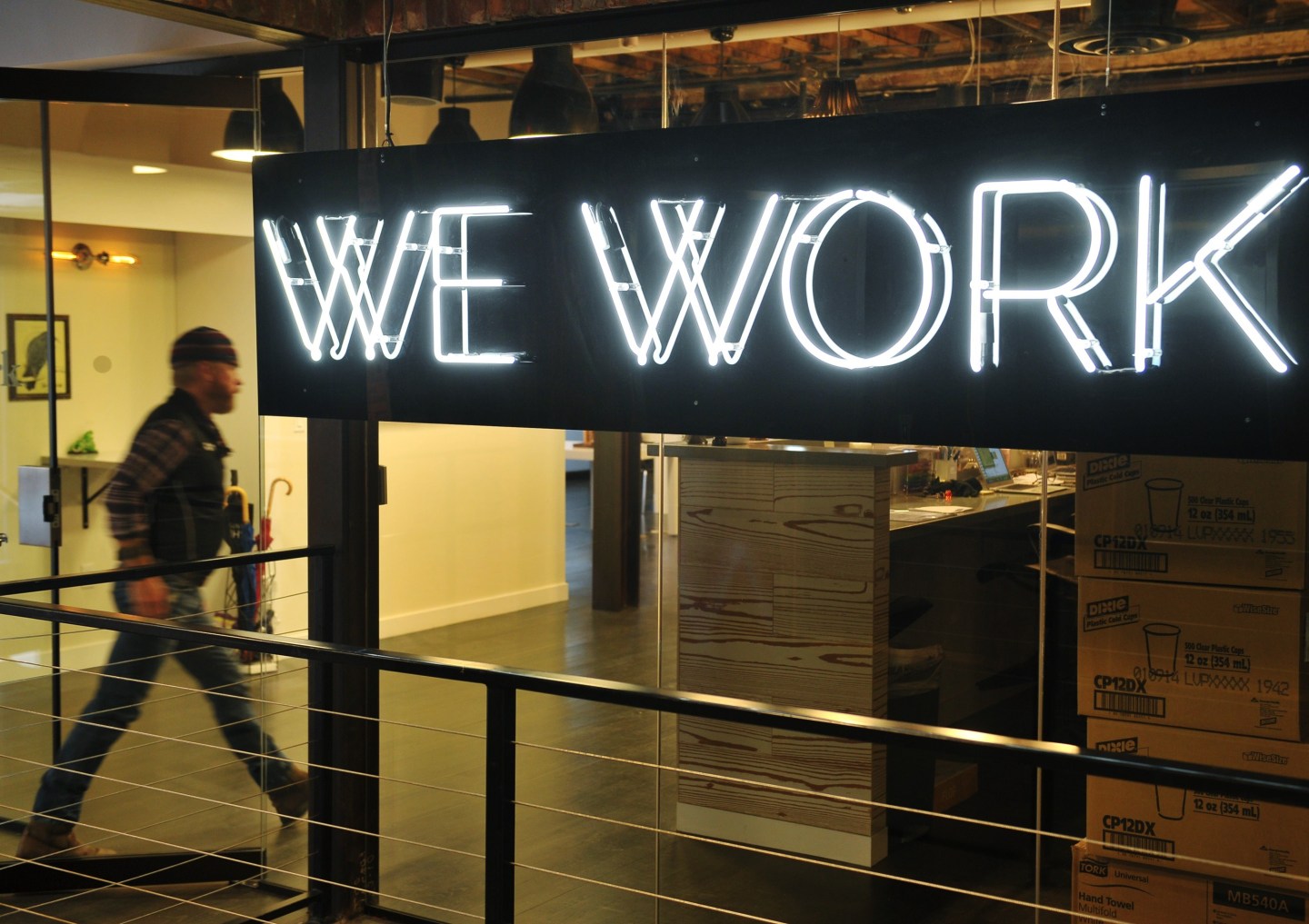
A man enter the doors of the WeWork co-operative co-working space on March 13, 2013 in Washington, D.C. In a large warehouse-type office in Washington, software coders work on apps, while angel investors and mentors help budding entrepreneurs figure out strategy for their startups, in what is being dubbed Silicon Valley on the Potomac. AFP PHOTO/Mandel NGAN (Photo credit should read MANDEL NGAN/AFP/Getty Images)Photograph by Mandel Ngan — AFP/Getty Images

WeWork, the office co-working space provider, is expanding its footprint in China.

On Thursday, the company announced a new partnership with Sino-Ocean Group, a major real estate company based in Beijing. As part of the deal, the companies plan to open three buildings in mainland China over the course of the next year, one in Shanghai, where WeWork already has two buildings, and two in Beijing, its first foray into the capital city.

WeWork opened its second location in Shanghai on Thursday, just a few months after its first building began operating in July. By the time it had opened, the company says its first Shanghai location was already at 80% occupancy, and it reached 100% within four weeks of operating. About 80% of tenants are locally-based companies, showing that WeWork’s office model does appeal to Chinese businesses.

Get Data Sheet, Fortune’s technology newsletter.

The new building in Shanghai, in the Jing’an district, can house up to 1,300 workers. The company considers it its new “flagship” location in China.

WeWork’s pitch to companies looking for office space is that it offers flexibility—they can pay by the month and for however many desks or private offices as they want—as well as a sense of community with other tenants.

However, the company has faced skepticism over its model, with some arguing that it’s too volatile because most of its tenant rent is on a short-term basis, thereby making revenue more unpredictable. In July, Bloomberg obtained documents that show that WeWork slashed its revenue forecast for 2016 by 14%, and that some buildings are opening later than predicted. WeWork had told Fortune at the time that the documents were for scenario planning purposes only, and that its buildings that have been operating for at least 12 months have 97% occupancy.

To help with this, WeWork recently unveiled a new deal with Microsoft to house 300 of its employees in its New York City buildings, as well as 37 employees in Atlanta. A major upside to the partnership is that Microsoft signed a one-year commitment in New York and a three-year deal in Atlanta.

WeWork’s deal with Sino-Ocean, which owns the buildings where WeWork will operate, is also unusual in its structure, and potentially less risky for the office co-working company. While it usually signs very long-term leases at low rates with its landlords, WeWork won’t be paying any rent to Sino-Ocean, according to sources familiar with the deal.

For more on WeWork, watch this Fortune video:

Instead, the two companies will share the revenue evenly in a 50-50 split, and Sino-Ocean is also funding the remodel of the buildings according to WeWork’s designs, while WeWork will manage the building and wrangle in tenants. Subsidies from landlords for remodeling buildings are often part of WeWork’s deals, though the amounts vary.

This alternative model brings both less risk and likely lower margins for companies like WeWork, as the Wall Street Journal recently noted. But it’s becoming increasingly attractive to companies in the space.

Elsewhere in Asia, WeWork already has operating buildings in South Korea and Hong Kong. Its first locations in India are opening soon.

Founded in 2010, WeWork has raised more than $1.4 billion, and it is valued at more than $16 billion.

About the Author
By Kia Kokalitcheva
See full bioRight Arrow Button Icon

Latest in Tech

Elon Musk
Big TechSpaceX
SpaceX to offer insider shares at record-setting $800 billion valuation
By Edward Ludlow, Loren Grush, Lizette Chapman, Eric Johnson and BloombergDecember 6, 2025
10 hours ago
Big TechApple
Apple rocked by executive departures, with chip chief at risk of leaving next
By Mark Gurman and BloombergDecember 6, 2025
12 hours ago
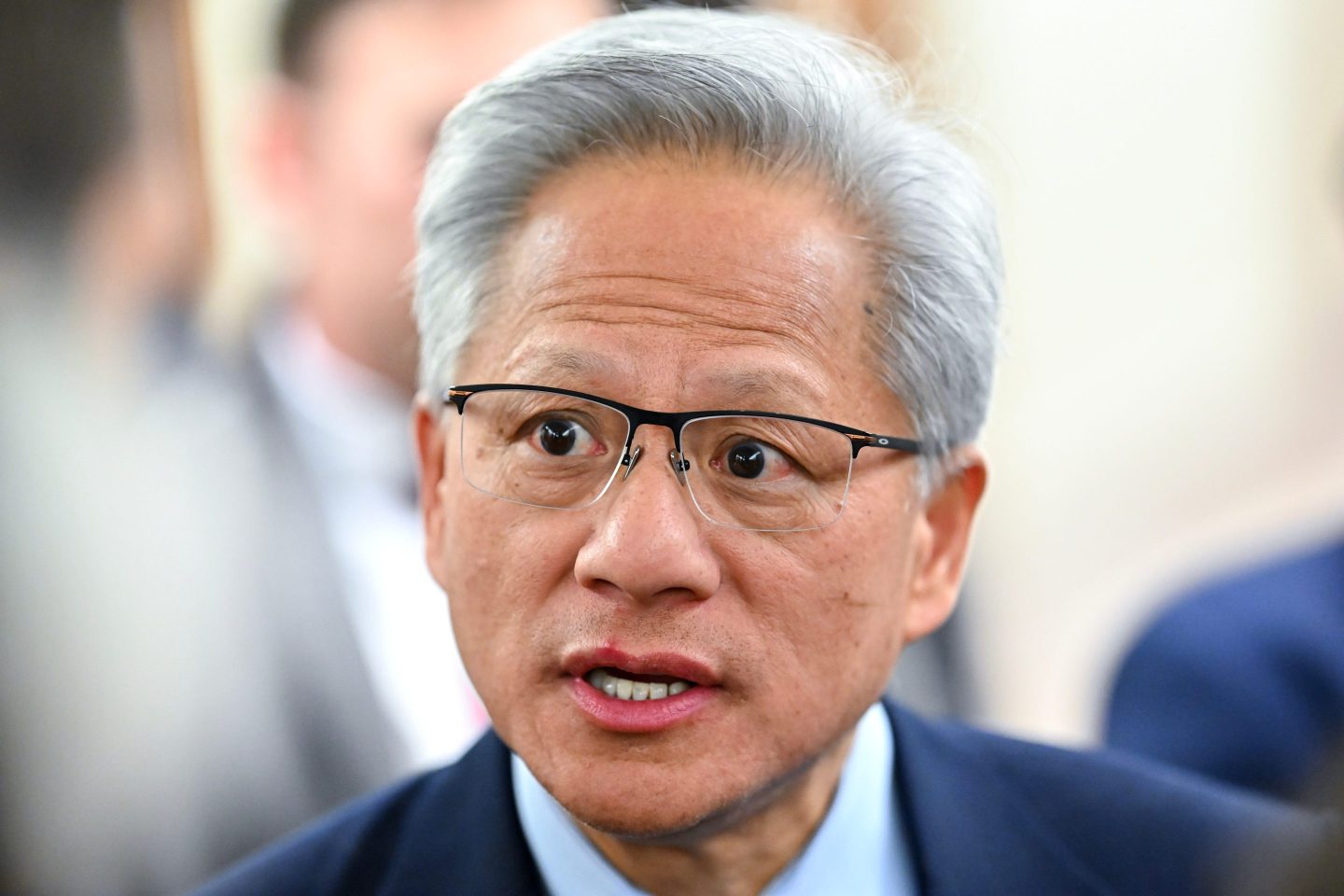
Nvidia CEO Jensen Huang said China is better equipped for an AI data center buildout than the U.S.
AITech
Nvidia CEO says data centers take about 3 years to construct in the U.S., while in China ‘they can build a hospital in a weekend’
By Nino PaoliDecember 6, 2025
15 hours ago
Arts & EntertainmentMedia
Former Amazon Studios boss warns the Netflix-Warner Bros. deal will make Hollywood ‘a system that circles a single sun’
By Jason MaDecember 6, 2025
16 hours ago
Jay Clayton
LawCrime
25-year DEA veteran charged with helping Mexican drug cartel launder millions of dollars, secure guns and bombs
By Dave Collins, Michael R. Sisak and The Associated PressDecember 6, 2025
16 hours ago
Elon Musk
LawSocial Media
Elon Musk’s X fined $140 million by EU for breaching digital regulations
By Kelvin Chan and The Associated PressDecember 6, 2025
17 hours ago

Most Popular

placeholder alt text
AI
Nvidia CEO says data centers take about 3 years to construct in the U.S., while in China 'they can build a hospital in a weekend'
By Nino PaoliDecember 6, 2025
15 hours ago
placeholder alt text
Big Tech
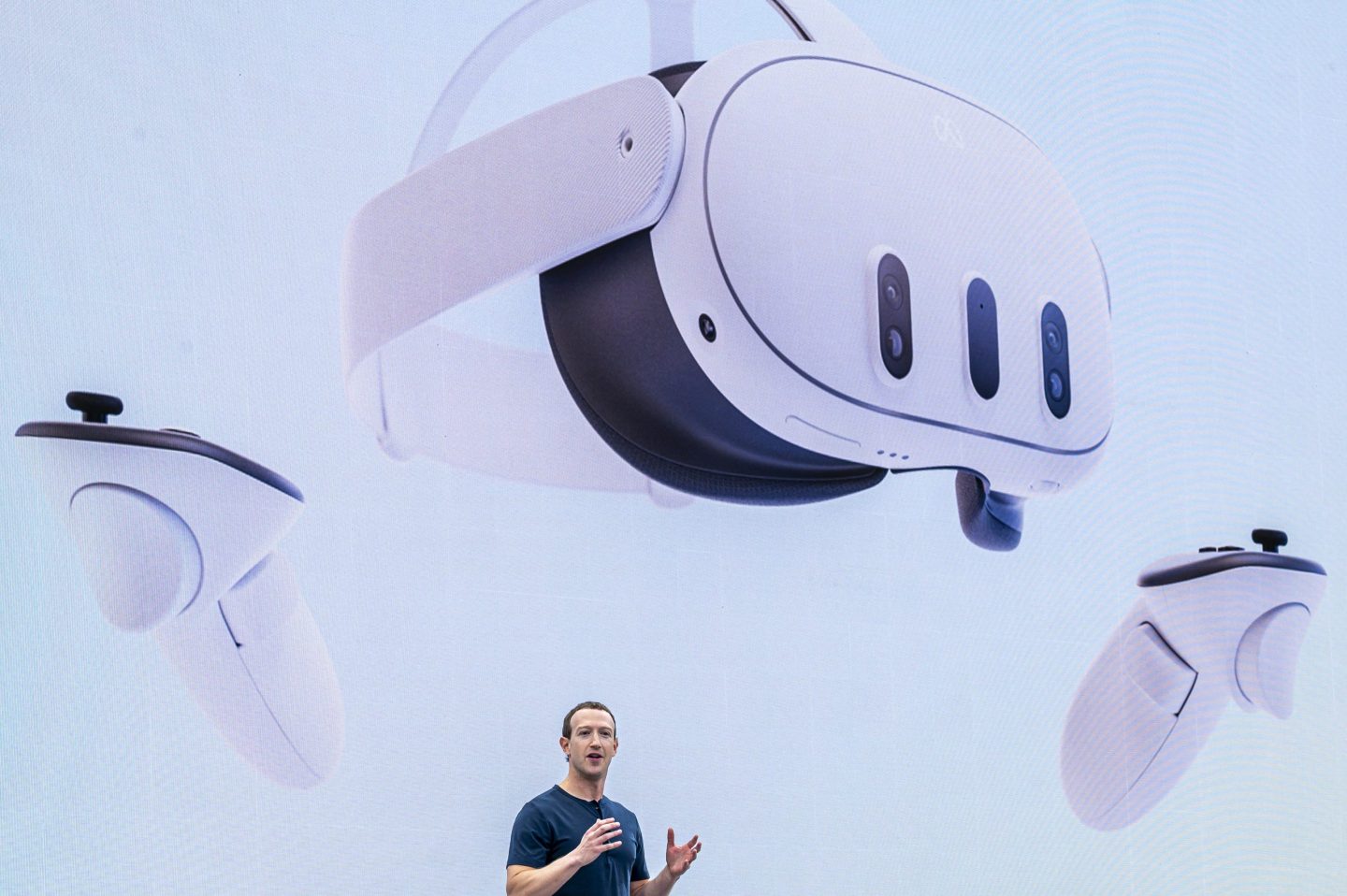
Mark Zuckerberg rebranded Facebook for the metaverse. Four years and $70 billion in losses later, he’s moving on
By Eva RoytburgDecember 5, 2025
2 days ago
placeholder alt text
Real Estate
The 'Great Housing Reset' is coming: Income growth will outpace home-price growth in 2026, Redfin forecasts
By Nino PaoliDecember 6, 2025
20 hours ago
placeholder alt text
Success
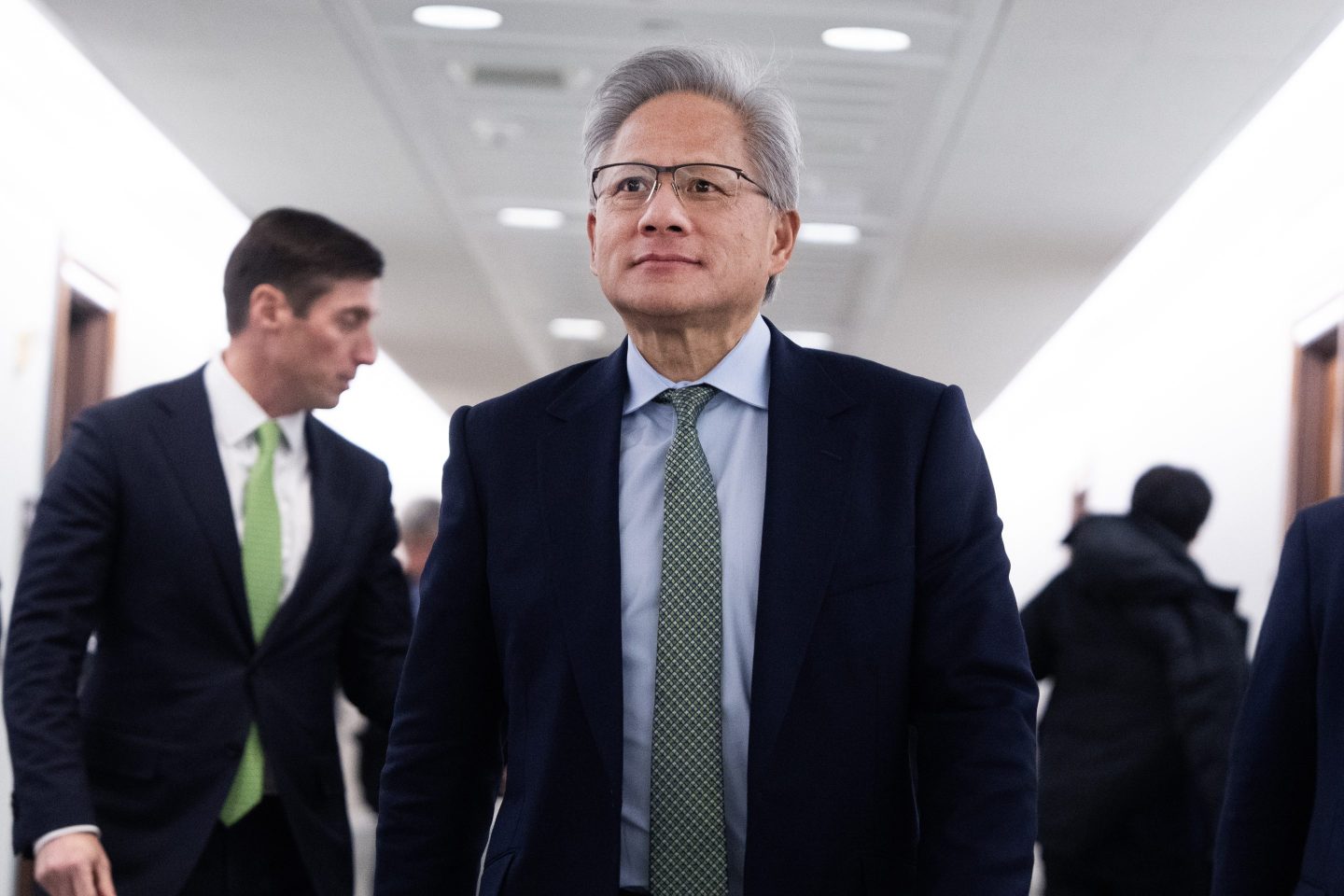
Nvidia CEO Jensen Huang admits he works 7 days a week, including holidays, in a constant 'state of anxiety' out of fear of going bankrupt
By Jessica CoacciDecember 4, 2025
3 days ago
placeholder alt text
Economy
The most likely solution to the U.S. debt crisis is severe austerity triggered by a fiscal calamity, former White House economic adviser says
By Jason MaDecember 6, 2025
10 hours ago
placeholder alt text
Asia
Despite their ‘no limits’ friendship, Russia is paying a nearly 90% markup on sanctioned goods from China—compared with 9% from other countries
By Jason MaNovember 29, 2025
7 days ago
Rankings
  • 100 Best Companies
  • Fortune 500
  • Global 500
  • Fortune 500 Europe
  • Most Powerful Women
  • Future 50
  • World’s Most Admired Companies
  • See All Rankings
Sections
  • Finance
  • Leadership
  • Success
  • Tech
  • Asia
  • Europe
  • Environment
  • Fortune Crypto
  • Health
  • Retail
  • Lifestyle
  • Politics
  • Newsletters
  • Magazine
  • Features
  • Commentary
  • Mpw
  • CEO Initiative
  • Conferences
  • Personal Finance
  • Education
Customer Support
  • Frequently Asked Questions
  • Customer Service Portal
  • Privacy Policy
  • Terms Of Use
  • Single Issues For Purchase
  • International Print
Commercial Services
  • Advertising
  • Fortune Brand Studio
  • Fortune Analytics
  • Fortune Conferences
  • Business Development
About Us
  • About Us
  • Editorial Calendar
  • Press Center
  • Work At Fortune
  • Diversity And Inclusion
  • Terms And Conditions
  • Site Map

© 2025 Fortune Media IP Limited. All Rights Reserved. Use of this site constitutes acceptance of our Terms of Use and Privacy Policy | CA Notice at Collection and Privacy Notice | Do Not Sell/Share My Personal Information
FORTUNE is a trademark of Fortune Media IP Limited, registered in the U.S. and other countries. FORTUNE may receive compensation for some links to products and services on this website. Offers may be subject to change without notice.